India clinch T20I series against New Zealand 3-0 in Guwahati as Abhishek Sharma and Suryakumar Yadav power chase
India sealed an unassailable 3-0 lead in the five-match T20I series against New Zealand with an eight-wicket win in Guwahati, driven by a blistering start from Abhishek Sharma and a commanding half-century from Suryakumar Yadav.
India wrapped up the T20I series against New Zealand in emphatic fashion in Guwahati, racing to an eight-wicket win to go 3-0 up with two matches still to play. The victory underlined India’s aggressive batting template ahead of the 2026 Men’s T20 World Cup, with the top order showing intent from the first over.
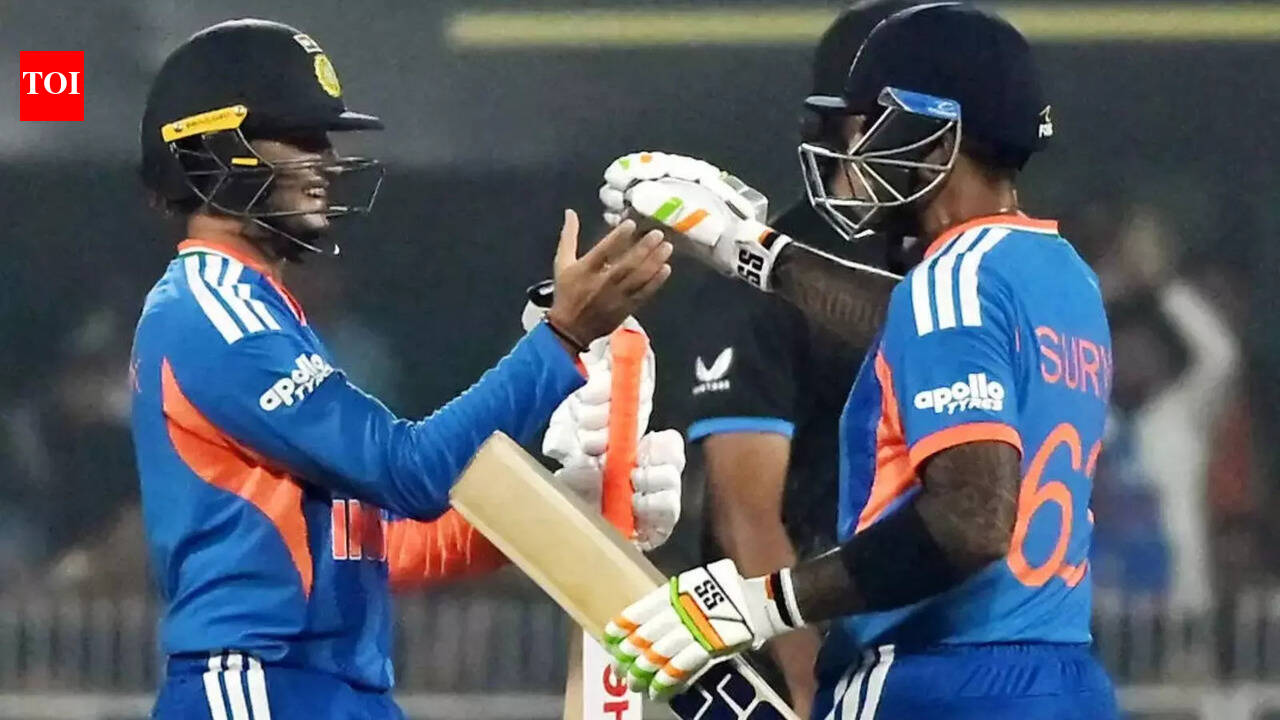
The chase was effectively decided by the power-hitting of Abhishek Sharma, who produced a rapid-fire fifty that left New Zealand’s fielders visibly searching for answers. The innings was so explosive that cameras even captured opposition players inspecting Sharma’s bat—an illustration of how sharply the momentum swung during the opening burst.
Suryakumar Yadav then sustained the tempo with another forceful half-century, ensuring there was no opening for a late squeeze. India’s approach was clear: take the game away early, keep the required rate irrelevant, and finish quickly to avoid unnecessary risk.
While the headline belonged to the batters, India’s bowlers also played a role by keeping New Zealand’s total manageable. By restricting scoring phases and taking key wickets, they prevented the visitors from posting a target that would have forced India into a longer, higher-pressure chase on a surface that rewarded timing.
The series lead is significant because it suggests depth and clarity in India’s combination as the team builds towards global competition. With the tournament window approaching, management will likely use the remaining fixtures to test bench strength and fine-tune roles rather than change the core strategy.
For New Zealand, the defeat highlights the challenge of containing India’s powerplay acceleration. The visitors will look for adjustments in bowling plans and match-ups, but the trend so far has been that once India’s top order gets a fast start, the margin for error becomes extremely thin.