India and EU conclude free trade agreement talks after nearly two decades, says commerce secretary
India and the European Union have concluded negotiations on a comprehensive Free Trade Agreement after almost 20 years, according to Commerce Secretary Rajesh Agrawal. The pact is undergoing legal review and is expected to be formally signed later in 2026, with tariff cuts and sectoral openings aimed at boosting trade and investment.
India and the European Union have concluded negotiations on a long-pending Free Trade Agreement (FTA), Commerce Secretary Rajesh Agrawal said on January 26, 2026. The announcement caps nearly two decades of on-and-off talks, with both sides now moving the deal into a legal-scrubbing and finalisation phase.
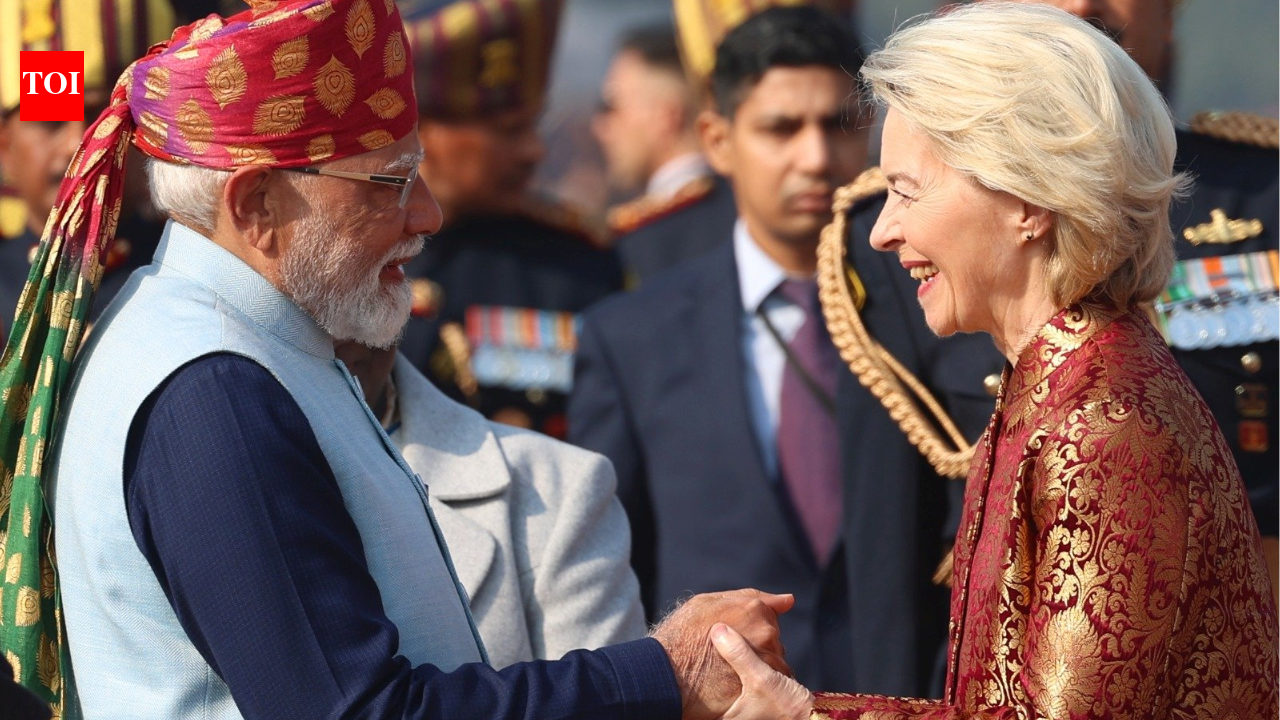
The agreement is expected to cover market access, tariff reductions and a broader framework for deepening trade and investment ties. Officials described the pact as a major step in India’s trade diplomacy at a time when global supply chains are being reworked and many economies are reassessing tariff and non-tariff barriers.
What the agreement aims to change
According to the commerce secretary, the FTA is designed to expand bilateral commerce by lowering duties and improving predictability for businesses on both sides. Labour-intensive Indian sectors, in particular, are expected to look for gains through better access to EU markets, while European firms are likely to focus on clearer rules and openings in services, industrial goods and investment-linked areas.
The deal is also being read as strategic, not just commercial. India and Europe have been signalling a closer alignment on resilient supply chains, clean-tech collaboration and the governance of emerging technologies. A comprehensive trade pact can create a stable platform for these partnerships by setting standards and dispute-resolution mechanisms.
Next steps and timelines
With negotiations concluded, the text will undergo a legal review before it is taken forward for formal approval and signing. While the signing is expected later in 2026, the timetable will depend on domestic processes on both sides. If implemented smoothly, the agreement would become one of India’s most significant trade arrangements with a major economic bloc.