Indian stock markets shut on 26 January for Republic Day; trading to resume next working day
BSE and NSE are closed on 26 January 2026 for Republic Day across segments including equities and derivatives, with trading scheduled to resume on the next working day.
Markets closed for Republic Day
India’s equity markets are shut on Monday, 26 January 2026, as the country observes Republic Day. Both the Bombay Stock Exchange (BSE) and the National Stock Exchange (NSE) remain closed, with the holiday applying across market segments including equities, equity derivatives, currency derivatives and interest-rate derivatives.
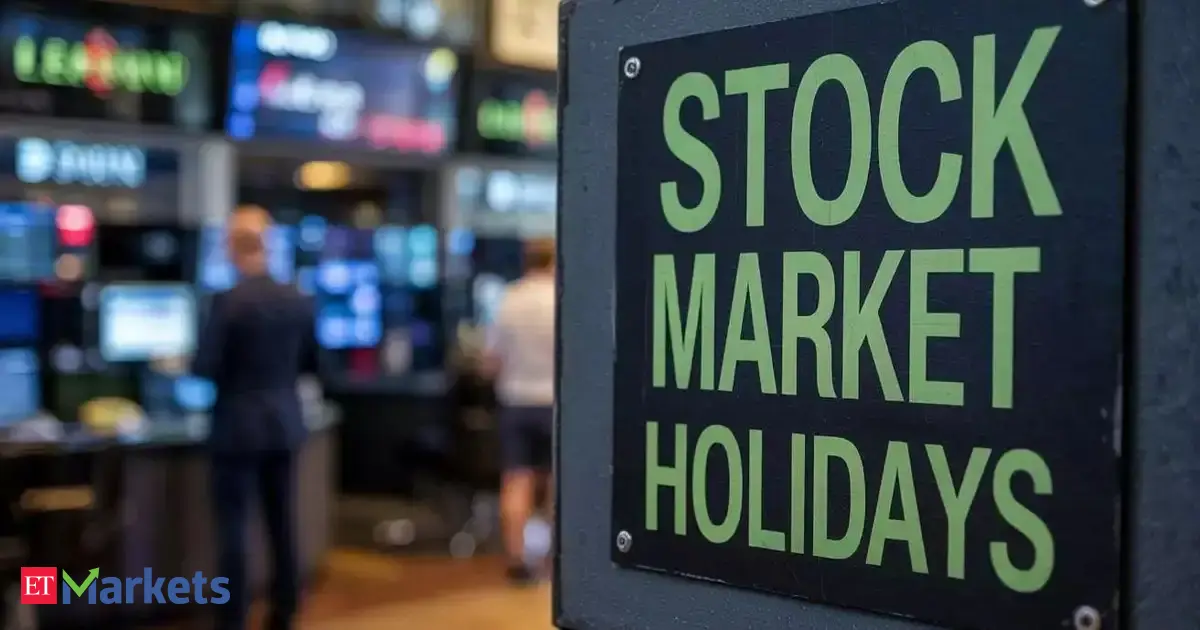
The closure means there is no regular trading, clearing or settlement activity for the day, and market participants will have to align their order placement, hedging plans and cash-flow expectations accordingly. For investors who track intraday moves, the pause is a reminder that holiday calendars can affect liquidity, price discovery and the timing of corporate or macro reactions.
What it means for investors and traders
A market holiday can compress reactions into the next trading session, especially if major news breaks while exchanges are closed. Institutional desks typically manage this by using global cues, ADR or GDR signals (where relevant), and overseas futures to estimate sentiment, but domestic price discovery largely resets when exchanges reopen.
For retail investors, the practical takeaway is simple: orders won’t execute during the holiday and any strategy that depends on same-day liquidity must be planned around the exchange schedule. Systematic plans such as SIPs in mutual funds may still be processed based on fund rules and the next available NAV calculation day, depending on cut-off timings and the specific product.
Trading resumes next working day
Trading on BSE and NSE will resume on the next working day. Investors often keep an eye on upcoming market holidays as well, because clusters of closures can influence rollover strategies in derivatives, margin planning and the timing of portfolio rebalancing.
In the context of late January, the Republic Day holiday is also a high-attention date because national events can shape confidence and risk sentiment, even if the direct market impact varies from year to year.