Sensex and Nifty fall over 4% in January as foreign outflows, weak rupee and global risks weigh on markets
Indian equity benchmarks have slipped more than 4% so far in January 2026, pressured by foreign portfolio investor selling, a softer rupee, muted earnings and global uncertainty. Investors are also watching Budget season for signals that could stabilise sentiment.
A rough January for Indian equities
India’s benchmark stock indices, the BSE Sensex and the NSE Nifty, have declined by more than 4% so far in January 2026, reflecting a broad risk-off mood. Market participants have pointed to sustained selling by foreign portfolio investors, a weakening rupee and mixed corporate earnings as key drivers behind the slide.
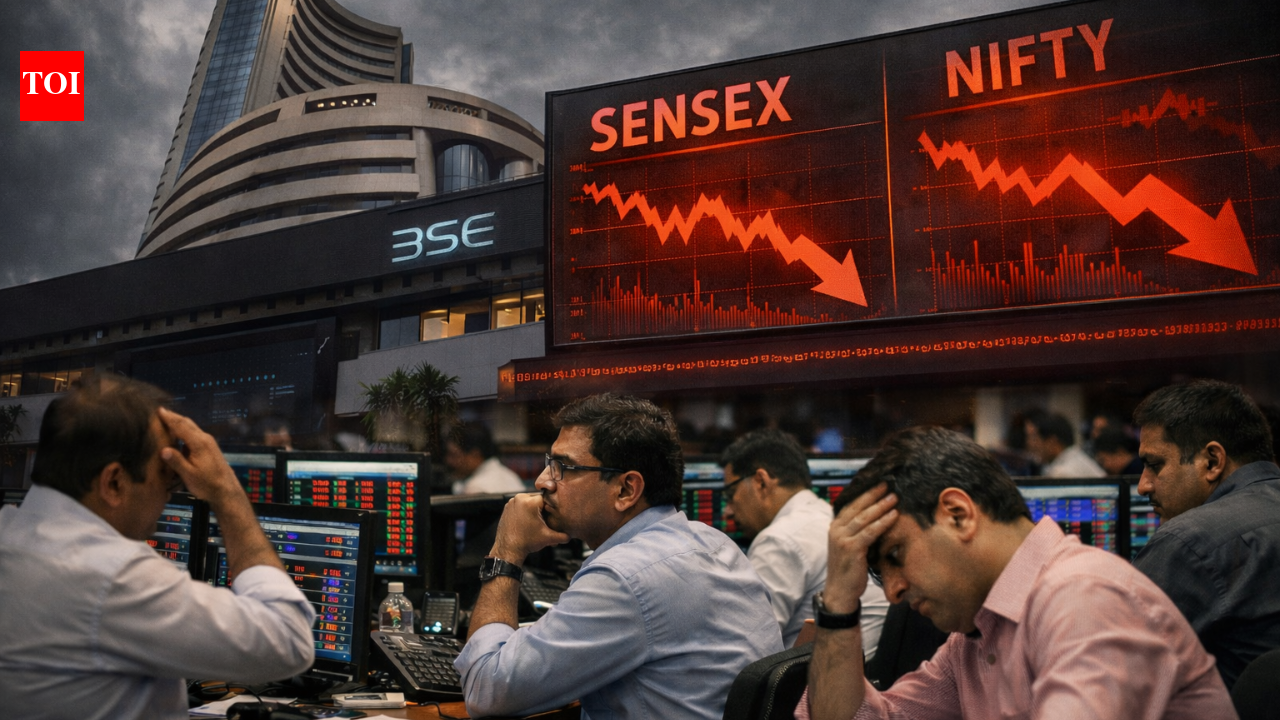
The decline is also occurring alongside heightened global uncertainty, including geopolitical tensions and renewed concerns around tariffs, which have added pressure to emerging-market assets. In such conditions, investors often reduce exposure, and the month’s move has reinforced a cautious tone across sectors.
What’s driving the downturn
Reported market commentary suggested multiple forces are interacting at once: foreign outflows have tightened near-term liquidity, currency weakness has kept import-cost anxiety alive, and earnings disappointments from some heavyweight companies have undermined confidence. With global bond yields and energy prices also watched closely, risk appetite has remained subdued through most of the month.
Traders and long-term investors are now focusing on whether the typical late-January-to-Budget period pattern repeats. Historically, some years have seen sharp falls earlier in the month followed by a rebound as Budget expectations build. This time, however, the external backdrop is noisier, making any turnaround less predictable.
Budget season as the next market catalyst
With the Union Budget approaching, investors are looking for clarity on fiscal discipline, capital expenditure plans, tax stability and any steps aimed at supporting demand without destabilising macro fundamentals. Even if policy announcements do not immediately change earnings trajectories, they can influence sentiment and sector positioning in the short run.
For retail investors, the move is also a reminder that short-term market direction can be dominated by global factors, not only domestic fundamentals. The coming days are likely to remain sensitive to foreign flows, currency moves and global risk headlines, especially as Budget discussions intensify.
- Indices down over 4% in January 2026
- Key factors: foreign investor selling, weaker rupee, muted earnings
- Global risks: geopolitics and tariff concerns shaping risk appetite
- Next catalyst: Union Budget-related expectations and policy signals