Sensex and Nifty fall over 4% in January as FPI selling, rupee weakness and global risks weigh on markets
Indian equities have slid more than 4% in January 2026, with reports pointing to sustained foreign portfolio investor selling, a weaker rupee, muted earnings and heightened global uncertainty. The move reflects a broader risk-off mood and sensitivity to external shocks.
A bruising January for Indian equities
India’s benchmark stock indices, the Sensex and the Nifty, have fallen by more than 4% during January 2026, according to a report that attributed the decline to multiple headwinds hitting sentiment at once. The slide is being closely tracked by investors because it comes during a period when global markets are pricing in higher uncertainty and India’s earnings season has offered limited relief. ([timesofindia.indiatimes.com](https://timesofindia.indiatimes.com/business/india-business/sensex-nifty-slide-over-4-in-january-amid-fpi-sell-off-rupee-weakness-and-global-risks/articleshow/127540749.cms?utm_source=openai))
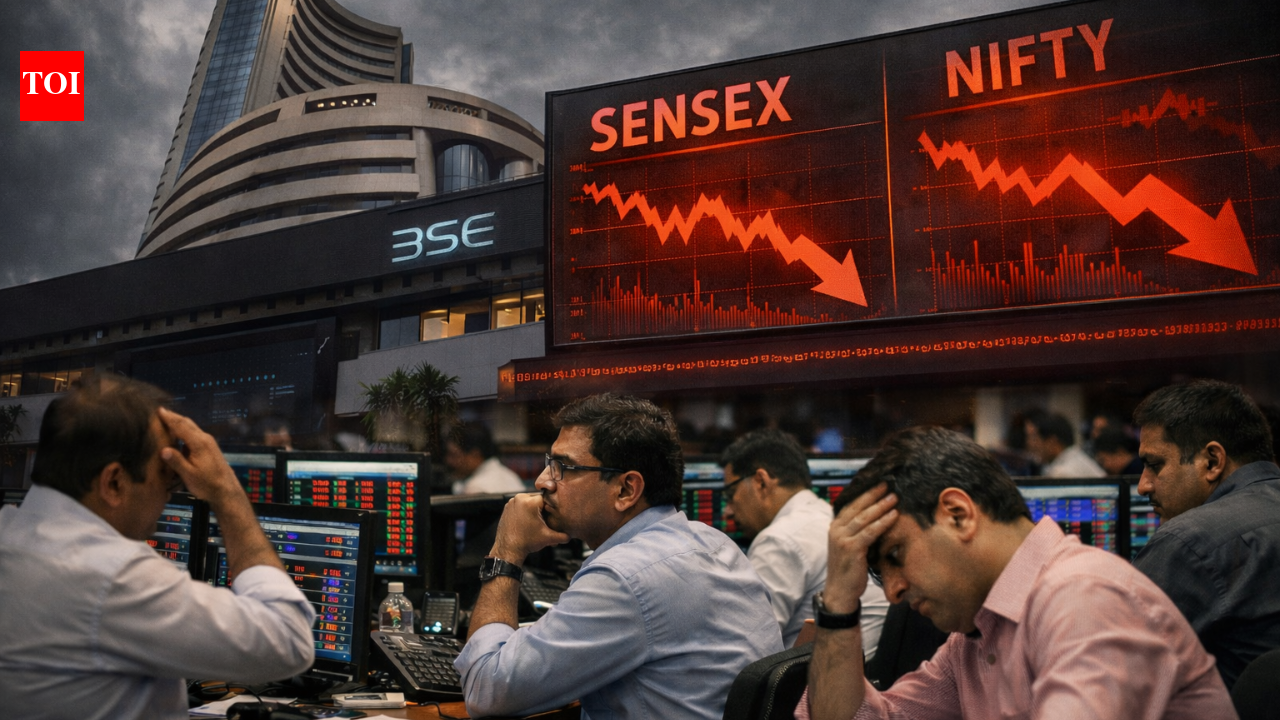
The report flagged sustained foreign portfolio investor (FPI) selling, a weakening rupee and subdued corporate earnings as key drivers, with geopolitical tensions and tariff-related worries adding to the risk premium. Together, these factors have increased volatility and reduced appetite for higher-valuation trades. ([timesofindia.indiatimes.com](https://timesofindia.indiatimes.com/business/india-business/sensex-nifty-slide-over-4-in-january-amid-fpi-sell-off-rupee-weakness-and-global-risks/articleshow/127540749.cms?utm_source=openai))
Why FPI flows and the rupee matter right now
FPI outflows can amplify swings because they affect both demand for equities and demand for the rupee. When overseas investors sell Indian stocks, the proceeds are often converted, pressuring the currency and raising concerns for import-heavy businesses and for inflation-sensitive sectors. In periods of risk aversion, these linkages can accelerate the market’s downward move.
A weaker rupee also tends to change expectations around corporate margins—helping some exporters but raising costs for companies reliant on imported inputs such as fuel, chemicals or specialised machinery. With earnings already described as lacklustre in the report, markets have had fewer positive surprises to counter the macro pressure. ([timesofindia.indiatimes.com](https://timesofindia.indiatimes.com/business/india-business/sensex-nifty-slide-over-4-in-january-amid-fpi-sell-off-rupee-weakness-and-global-risks/articleshow/127540749.cms?utm_source=openai))
What investors may watch next
- Signals on whether FPI selling is slowing or broadening across sectors
- Currency stability and the policy response to rupee volatility
- Earnings revisions—especially guidance for FY26 demand and pricing power
- Global triggers, including geopolitics and tariff-related developments flagged as risks
While day-to-day moves can reverse quickly, the January drawdown illustrates how sensitive Indian markets remain to global financial conditions and to the narrative around external risks, even when domestic growth stories stay intact. ([timesofindia.indiatimes.com](https://timesofindia.indiatimes.com/business/india-business/sensex-nifty-slide-over-4-in-january-amid-fpi-sell-off-rupee-weakness-and-global-risks/articleshow/127540749.cms?utm_source=openai))