India and EU strike long-awaited trade deal; tariffs to be cut on most goods as both sides push deeper economic ties
India and the European Union have reached a landmark trade agreement that aims to cut or eliminate tariffs on most goods and boost two-way commerce. The pact is expected to deepen economic integration between India and the 27-nation bloc, while formal signing and legal vetting are expected to take several months.
Deal reached after years of stop-start talks
India and the European Union have struck a long-delayed trade deal that will slash tariffs on most goods, aiming to lift two-way trade and strengthen strategic economic ties. The agreement comes after years of negotiations and renewed momentum in recent months, with both sides describing the outcome as historic.
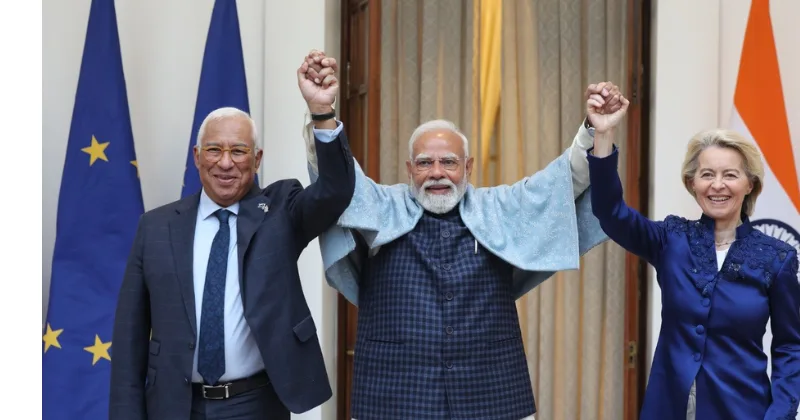
According to details released by officials, the deal is designed to open markets on both sides by reducing or removing duties across the bulk of traded goods by value. The EU has projected significant tariff savings for European firms, while India is positioning the deal as a boost for exports and investment flows.
What changes on tariffs and market access
The deal sets out wide-ranging tariff reductions. European companies are expected to see duties cut or removed on a large share of exports to India, while the EU will also reduce tariffs on most imports from India over a phased period. Indian authorities have indicated that some agriculture-related items remain outside the scope of the agreement, reflecting political sensitivities around farm livelihoods and food markets.
Beyond tariffs, trade pacts of this size typically include disciplines on standards, customs facilitation and investment conditions that can have substantial impact on how quickly goods move, how compliance is handled, and how businesses plan long-term sourcing.
Timeline: legal scrub first, implementation later
The agreement will still go through legal vetting and procedural approvals before formal signing and implementation. Officials have indicated that legal scrubbing could take several months, with the deal expected to come into effect within about a year after the remaining steps are completed.
If implemented on schedule, the pact would reshape trade lanes between India and the EU, offering exporters on both sides clearer visibility on tariffs and rules, and potentially accelerating investment decisions tied to manufacturing, supply chains and services.