North India braces for fresh western disturbance as IMD warns of rain, snow, fog and cold-wave conditions from Jan 27
The IMD has forecast a fresh spell of winter disruption from 27 January, with rain and snow likely in the western Himalayas and fog, thunderstorms and cold-wave conditions possible across adjoining plains. Authorities are urging caution for travel and outdoor activity as visibility and road safety may worsen.
A new western disturbance is set to push winter conditions across parts of north, northwest and central India from Tuesday, 27 January 2026, the India Meteorological Department (IMD) said. The system is expected to bring widespread precipitation in the western Himalayan region, with snowfall in higher reaches and rain in lower hills and adjoining plains. Weather officials also flagged the risk of dense fog in pockets, along with thunderstorms, lightning and gusty winds in isolated areas, which could disrupt road, rail and air movement.
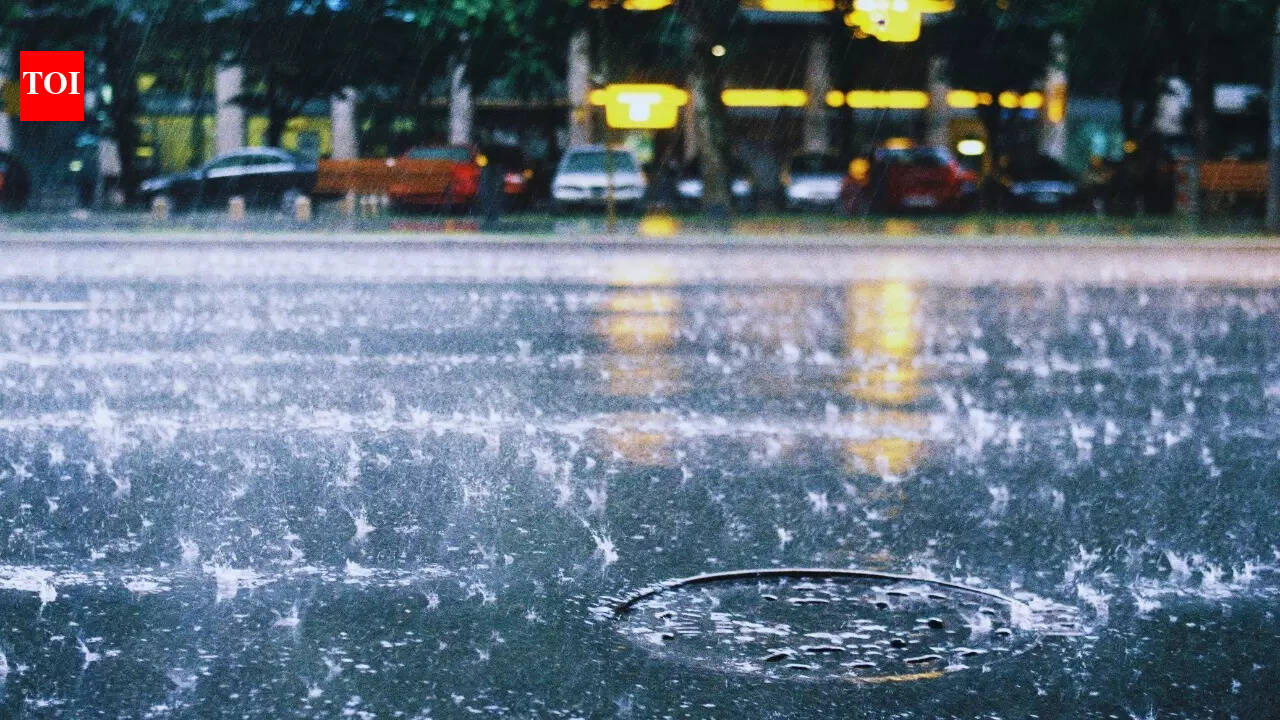
The IMD’s outlook indicates that cold-wave and cold-day conditions may persist or intensify in some northern states, particularly during night and early morning hours, when temperatures are at their lowest. Residents have been advised to plan commutes with extra buffer time, keep a close watch on local bulletins, and avoid unnecessary travel in low-visibility conditions. Drivers on highways and hilly routes have been urged to slow down, use fog lights appropriately and avoid sudden lane changes.
In the hills, a combination of snow and strong winds can heighten the risk of slippery roads and temporary closures on mountain passes. Tourism-heavy circuits may see intermittent restrictions, while local administrations are expected to keep snow-clearing equipment and emergency response teams ready. For households, the advisory focus remains on protecting vulnerable groups—infants, older adults and those with respiratory or cardiac conditions—from prolonged exposure to extreme cold.
Forecasters also indicated that another bout of unsettled weather could follow later in the week, with a subsequent western disturbance likely to approach northwest India around 30 January. That raises the possibility of back-to-back spells of rain or snow over a short window, adding to the need for preparedness in hill districts and caution in fog-prone plains.
Key takeaway: keep monitoring local IMD updates through the day on 27 January, especially if you are travelling through the Himalayas or commuting during early-morning fog hours.
With winter illnesses typically rising during cold spells, doctors also recommend layering up, staying hydrated, avoiding sudden temperature transitions and seeking early medical advice if symptoms such as breathlessness, chest discomfort or persistent cough worsen. Schools and workplaces in some regions may also adjust schedules if fog becomes severe, though decisions are taken locally based on visibility and road conditions.