National Voters’ Day pitch: Modi links voter enrolment to democracy and constitutional values
On January 25, 2026, PM Narendra Modi called on eligible citizens—especially those turning 18—to enrol as voters, saying the act strengthens democracy and fulfils a constitutional duty. He positioned the appeal around National Voters’ Day and Republic Day, underscoring voting as a form of active citizenship rather than a routine formality.
A political message framed as civic duty
Prime Minister Narendra Modi’s National Voters’ Day remarks on January 25, 2026 were pitched as a civic call but carry clear political significance. By urging citizens to register as soon as they turn 18, he sought to broaden electoral participation, particularly among first-time voters—a group increasingly central to campaign strategies across parties.
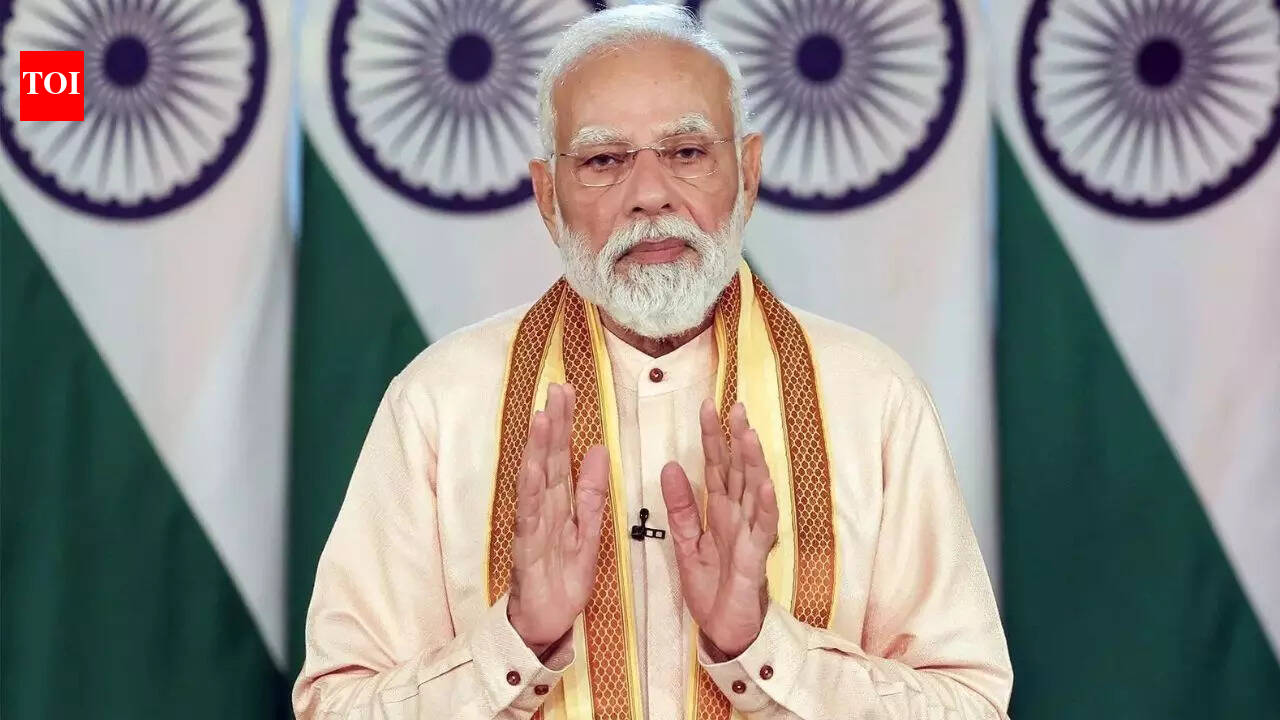
In his Mann Ki Baat address, Modi linked voter participation to the spirit of the Constitution and described becoming a voter as a major milestone. He also highlighted that Republic Day on January 26 marks the Constitution coming into force, using that symbolism to reinforce the importance of democratic engagement.
Why youth enrolment matters in election politics
Youth voter registration is not only about increasing turnout; it reshapes campaign outreach, issue prioritisation, and ground mobilisation. First-time voters often respond to different concerns—jobs, education, cost of living, and digital services—making them a highly contested segment.
By highlighting the idea that turning 18 and registering should be ‘celebrated’, the Prime Minister attempted to make enrolment culturally salient. This framing can complement institutional drives by election authorities and can also influence how parties, colleges and community organisations structure voter-awareness campaigns.
The bigger governance signal
The speech also reflects a governance narrative that emphasises citizen responsibility alongside rights. Positioning voting as a constitutional duty supports a broader message of participation—whether in public cleanliness, digital payments, or social campaigns—while keeping politics grounded in the language of nation-building.
For voters, the key practical takeaway is straightforward: check eligibility, ensure names are on the rolls, and complete registration where needed. For political observers, the more telling metric will be whether voter-enrolment figures rise in the weeks and months following such national appeals.
As India moves through its annual Republic Day observances, the emphasis on voter registration serves as a reminder that the legitimacy of democratic institutions is tied not just to elections being held, but to citizens actively joining the electoral process.