Women face steeper barriers in politics, says Vasundhara Raje at Jaipur conference
Former Rajasthan chief minister Vasundhara Raje said women have to work far harder than men to gain acceptance and space in public life, pointing to persistent gender disparity despite gains in literacy and election participation. Her remarks came at a women’s community conference in Jaipur attended by representatives from multiple parties.
Former Rajasthan chief minister Vasundhara Raje said women have to work “three times harder” than men to earn recognition and secure a place in politics, as she spoke at a women’s community conference in Jaipur. Her comments focused on what she described as the continuing imbalance in political representation despite improvements in education and visibility.
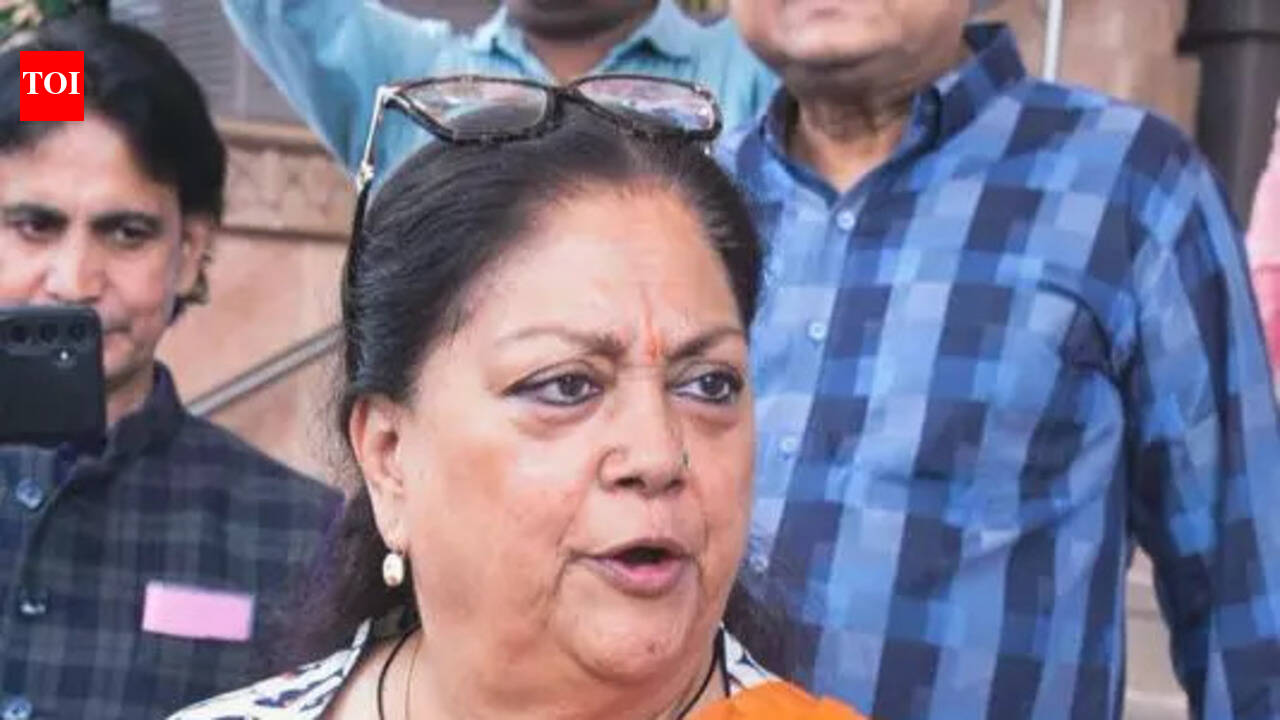
Raje pointed to long-term shifts in women’s literacy, contrasting early post-Independence conditions with current levels, while arguing that progress in schooling has not translated into equal representation in elected bodies. She also referred to the gradual rise in the share of women contesting elections over decades, but stressed that the gap remains large.
The event drew participation from members of the Jat community and, as reported, saw representatives linked to both the Congress and the BJP in attendance, reflecting cross-party presence at a community platform. Raje also spoke about recognising the contribution of women in public life and the need for stronger social support for women seeking political careers.
Her remarks arrive as parties across India prepare for multiple electoral cycles and internal organisation work in 2026. Within that environment, statements about women’s participation often intersect with ticket distribution, local leadership pipelines, and the broader debate on how representation is measured beyond headline numbers.
While the conference context was community-focused, Raje’s central argument was political: that structural barriers and social expectations still demand disproportionately higher effort from women compared to men, and that numbers improving slowly should not be mistaken for parity.