Akhilesh Yadav targets BJP over temple demolition claims tied to redevelopment works in Uttar Pradesh
Samajwadi Party chief Akhilesh Yadav alleged that redevelopment projects in parts of Uttar Pradesh led to temple demolitions, desecration of idols and removal of sacred trees. He urged public scrutiny of such projects and demanded impartial review to protect heritage and environment.
The allegation: development at the cost of heritage
Samajwadi Party national president Akhilesh Yadav accused the BJP of targeting religious heritage in Uttar Pradesh, alleging that temples were demolished and idols desecrated during redevelopment activity linked to works such as the renovation of Manikarnika Ghat and road widening at Dalmandi in Varanasi. He also claimed sacred trees with mythological significance were uprooted, and described the alleged acts as deeply disturbing. ([timesofindia.indiatimes.com](https://timesofindia.indiatimes.com/city/lucknow/riding-high-on-arrogance-bjp-targeting-temples-akhilesh/articleshow/127499804.cms?utm_source=openai))
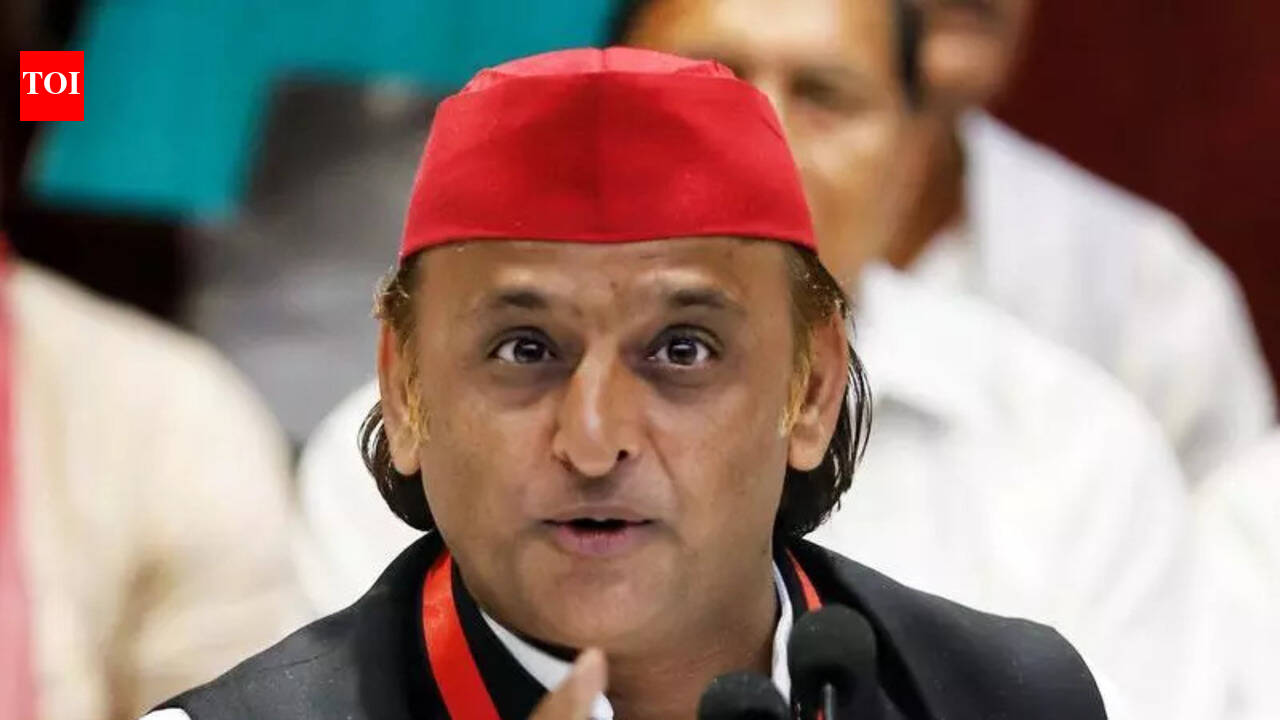
Yadav urged people to question BJP representatives and argued for an impartial review of development projects so that heritage, faith-linked structures and the environment are not harmed. His remarks came as parties in Uttar Pradesh continued to frame local infrastructure projects as both governance achievements and potential flashpoints over culture, land use and public consultation. ([timesofindia.indiatimes.com](https://timesofindia.indiatimes.com/city/lucknow/riding-high-on-arrogance-bjp-targeting-temples-akhilesh/articleshow/127499804.cms?utm_source=openai))
The wider political context
The dispute highlights a recurring political fault line in the state: balancing redevelopment and tourism-focused projects with protection of historic neighbourhoods and religious sites. Opposition leaders often argue that hurried execution and inadequate transparency can damage heritage assets, while governments defend projects as necessary upgrades for safety, mobility and civic improvement.
In Uttar Pradesh, where religious tourism and urban redesign have become major policy themes, such claims can quickly turn into broader debates about whose history is being preserved, whose spaces are being redesigned, and how public faith sites are treated during civic expansion. The latest statements amplify that argument at a time when parties are sharpening identity and governance narratives. ([timesofindia.indiatimes.com](https://timesofindia.indiatimes.com/city/lucknow/riding-high-on-arrogance-bjp-targeting-temples-akhilesh/articleshow/127499804.cms?utm_source=openai))
A Republic Day sidebar: honouring local rescuers
Alongside his criticism, Yadav’s party also honoured two locals—Pankaj Sonkar and Lal Shyam Nishad—who helped rescue Indian Air Force pilots after a microlite aircraft crash-landed in a pond on 21 January, an incident that drew attention online. The recognition was presented during Republic Day-related events, adding a civic-service note to a day otherwise dominated by political messaging. ([timesofindia.indiatimes.com](https://timesofindia.indiatimes.com/city/lucknow/riding-high-on-arrogance-bjp-targeting-temples-akhilesh/articleshow/127499804.cms?utm_source=openai))
The combination of sharp allegations and community-facing gestures reflects how major calendar moments, including Republic Day, are used by parties to project both confrontation and connection—criticising opponents while also spotlighting local heroism and public service.