Supreme Court says courts cannot set mandatory timelines for President, Governors on bill assent
A Supreme Court Constitution Bench has held that courts cannot impose fixed deadlines on the President or Governors for granting or withholding assent to bills, while allowing limited directions only in cases of prolonged, unexplained inaction.
What the court said
The Supreme Court has ruled that constitutional courts cannot prescribe mandatory timelines for the President of India or State Governors when they exercise powers relating to assent, withholding assent or reserving bills under Articles 200 and 201. The judgment, delivered by a Constitution Bench, emphasised that the Constitution does not itself lay down rigid deadlines for these decisions and that the framers chose flexibility to accommodate the complexities of federal governance.
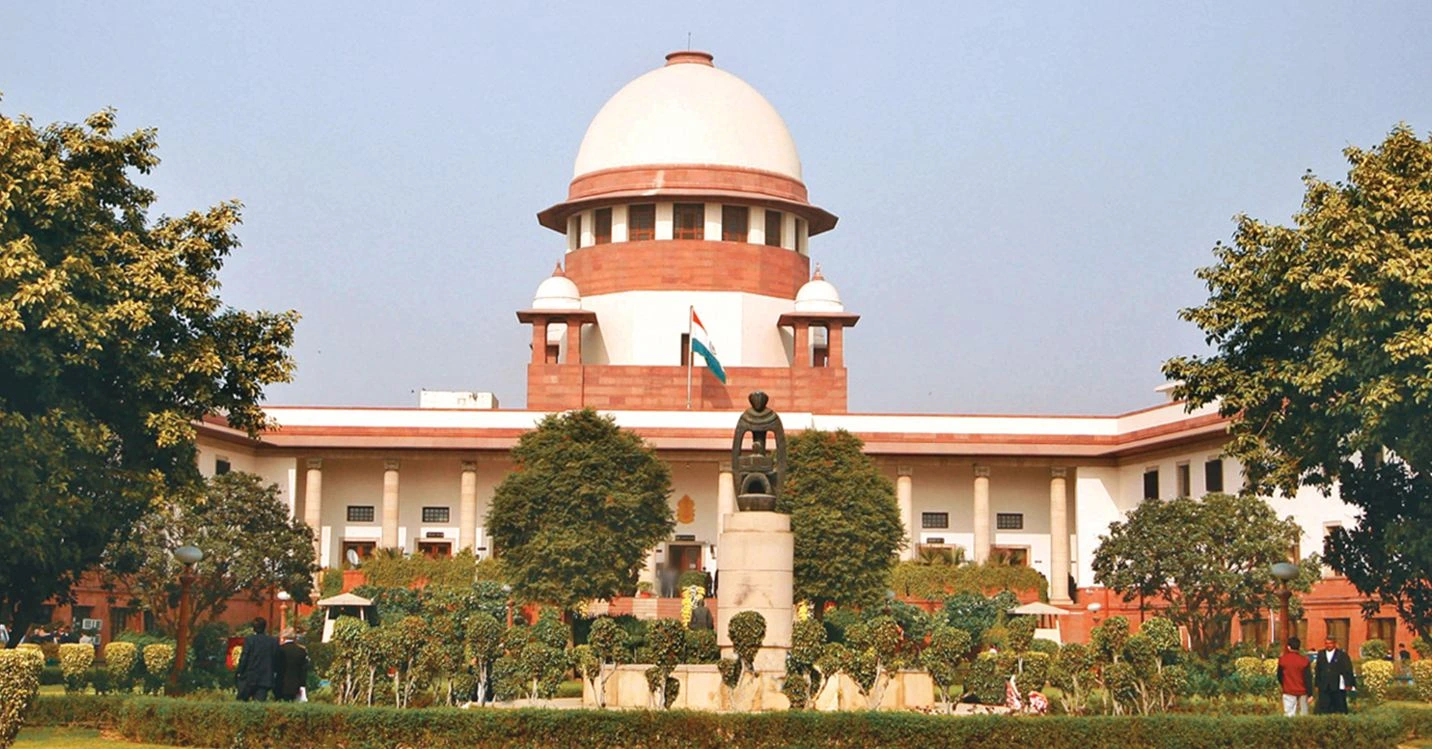
At the same time, the ruling recognises a narrow exception. In situations where there is prolonged, unexplained or obstructionist non-action, the court indicated that a limited form of judicial direction may be available—essentially to require the constitutional authority to perform its function within a reasonable period—without the court stepping into the merits of the bill or evaluating whether assent should or should not be granted.
Why this matters in the federal system
Assent controversies often arise when state legislation gets stuck between elected state governments and Raj Bhavans, or when bills are reserved for the President’s consideration. Critics of delays argue that indefinite pendency can undermine legislative intent and democratic accountability. Supporters of discretion say that constitutional offices are meant to act as safeguards and require room to address legal and procedural complexities.
The Bench’s approach attempts to preserve institutional boundaries: it rejects a one-size-fits-all clock but leaves a pathway for judicial intervention if a bill is effectively stalled without explanation. This framework could shape how states and litigants argue future disputes, focusing more on whether delay is “reasonable” and less on whether a hard deadline can be imposed.
Likely next questions
The decision sets up practical questions for future cases: what qualifies as “prolonged” delay, what evidence is needed to show “obstructionist” conduct and what remedies are appropriate without violating separation of powers. In legislative politics, these disputes are rarely just procedural, and the judgment is likely to be cited widely in petitions arising from pending bills in multiple states.
For lawmakers and governments, the ruling also underscores the value of building strong records—correspondence, legal opinions and timelines—so that any future challenge can be assessed on clear facts, rather than political inference.