Supreme Court to examine immunity provision for Chief Election Commissioner and Election Commissioners after PIL challenge
The Supreme Court has agreed to test the constitutional validity of a provision granting the Chief Election Commissioner and Election Commissioners broad, continuing protection from civil and criminal proceedings for acts done in official duty. The PIL argues the clause risks putting the Election Commission beyond accountability, raising questions over the balance between independence and oversight.
What the court has agreed to hear
India’s Supreme Court has agreed to examine the constitutional validity of a legal provision that grants extensive immunity to the Chief Election Commissioner (CEC) and Election Commissioners (ECs) from civil and criminal prosecution for acts committed in the course of official functions. The matter reached the court through a public interest litigation that contends the immunity could undermine accountability in an institution central to free and fair elections.
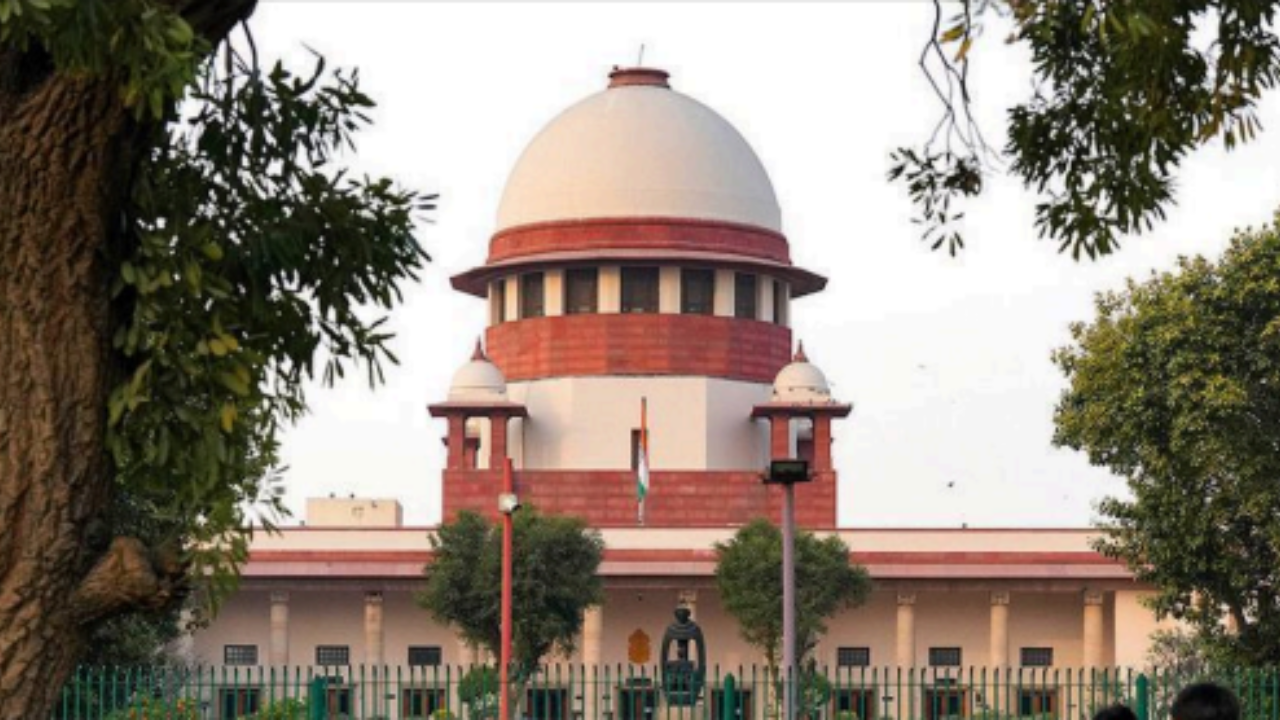
The petition challenges a clause that, in effect, restricts courts from entertaining or continuing proceedings against a person who is or was the CEC or an Election Commissioner for acts, words or things done while discharging official duty. The petitioner argues that the language is broad enough to shield wrongdoing and may weaken public confidence in electoral administration.
Independence vs accountability
The Election Commission’s independence is a long-established constitutional principle, intended to prevent political interference in the conduct of elections. However, the PIL framing suggests that independence cannot be conflated with absolute legal insulation. The argument is that while officials should be protected from vexatious litigation arising from routine decisions, blanket protections that outlive tenure could create a “law unto itself” risk for the institution.
The Supreme Court’s decision to issue notice and seek responses from the Union government and the Election Commission indicates that the bench wants a closer look at whether the immunity provision is narrowly tailored to legitimate institutional needs or whether it goes beyond what the Constitution permits. The case is expected to hinge on how the court interprets proportionality, institutional independence and the scope of lawful protection for constitutional authorities.
What happens next
The next stage will involve replies from the government and the Election Commission, followed by hearings on whether the challenged clause can stand as written, needs to be read down, or should be struck down. Stakeholders will likely watch for the court’s approach to defining safeguards against harassment of election officials while ensuring that serious allegations can still be tested through legal process.
For a polity where election credibility is a recurring public debate, the case has political significance beyond the courtroom. A ruling that clarifies limits on immunity could set a precedent for how India balances institutional autonomy with mechanisms that preserve public trust and deterrence against abuse.