EU chief Ursula von der Leyen in Delhi for talks on trade, defence and mobility
European Commission President Ursula von der Leyen has arrived in New Delhi for a multi-day visit aimed at strengthening India–EU ties. The discussions are expected to cover a range of proposed agreements, including progress on trade engagement, defence cooperation and mobility arrangements. Officials are also expected to touch on technology and green partnership priorities as both sides work to deepen strategic collaboration.
Why the visit matters
European Commission President Ursula von der Leyen is in New Delhi for a four-day visit, with India–EU relations in focus. The trip is positioned as a push to firm up a set of understandings and proposed deals across trade, defence cooperation and mobility—areas where both sides have been trying to accelerate momentum amid global economic and security shifts.
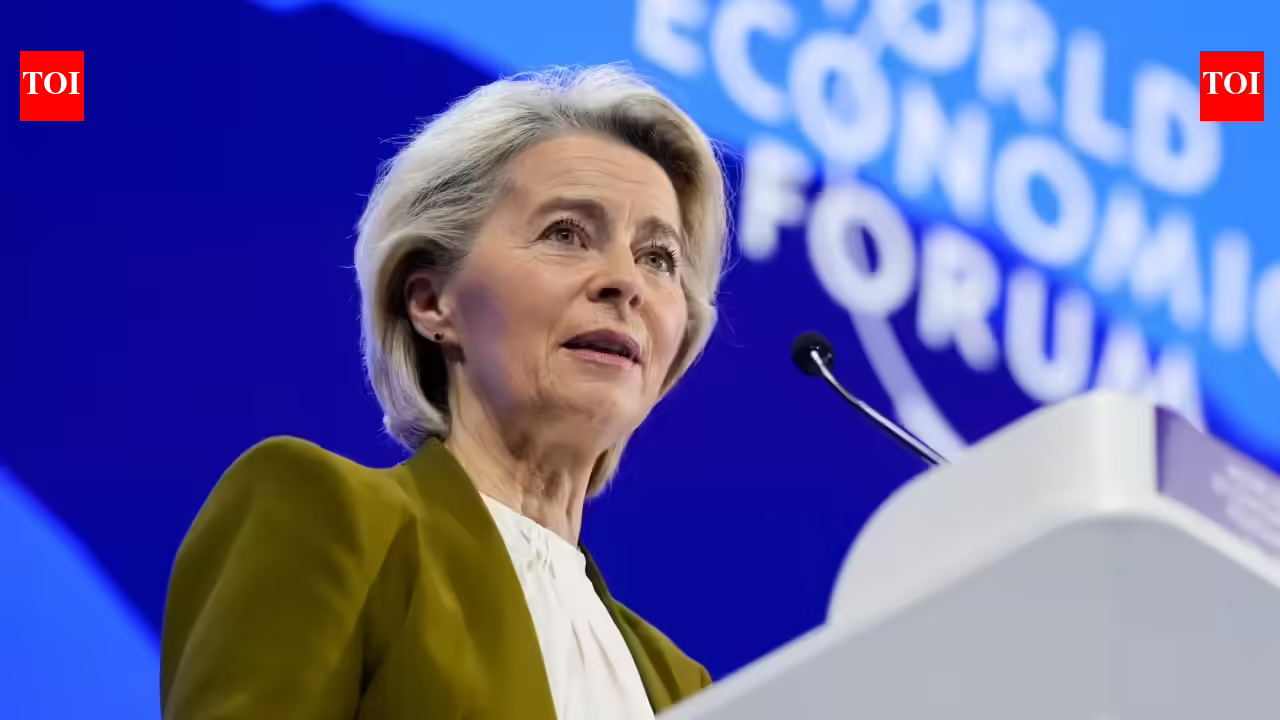
The engagement comes as India and the EU look to diversify partnerships and reduce supply-chain vulnerabilities. In parallel, Europe is seeking stronger strategic ties in the Indo-Pacific, while India aims to widen options for investment, technology cooperation and advanced manufacturing.
Core themes on the table
Officials and analysts expect the agenda to include trade-related discussions, defence collaboration and mobility frameworks. In recent years, the mobility track has been viewed as a pathway to easier movement for students and skilled professionals, as well as better alignment on recognition and processes.
Defence talks are also gaining weight, given broader concerns about regional security and the need for resilient partnerships. Both sides have indicated interest in expanding cooperation that could range from joint exercises and procurement pathways to technology sharing, within each side’s regulatory and strategic constraints.
Technology and green priorities
The discussions are also expected to touch technology collaboration and green partnership goals, including ways to support cleaner growth and deepen cooperation in emerging sectors. For India, access to technology, investment and market pathways remains central. For the EU, aligning partners on standards and strategic projects has become more important amid rapid global competition.
Even when headline agreements take time, such visits are often used to map timelines, identify obstacles, and create political direction for negotiators and ministries. The visit is likely to be watched for concrete deliverables, but also for signals on how quickly India–EU engagement can move in 2026.