EU chief von der Leyen lands in Delhi to deepen trade, defence and mobility talks
European Commission President Ursula von der Leyen has arrived in New Delhi for a four-day visit aimed at strengthening India–EU cooperation, with major conversations expected on trade, defence collaboration and mobility arrangements.
A strategic visit as trade talks intensify
European Commission President Ursula von der Leyen arrived in New Delhi for a four-day visit as India and the European Union push to deepen cooperation across trade, defence and mobility. The trip signals a renewed political push to convert long-running negotiations into concrete outcomes, as both sides seek reliable partners amid shifting global supply chains and geopolitical uncertainty.
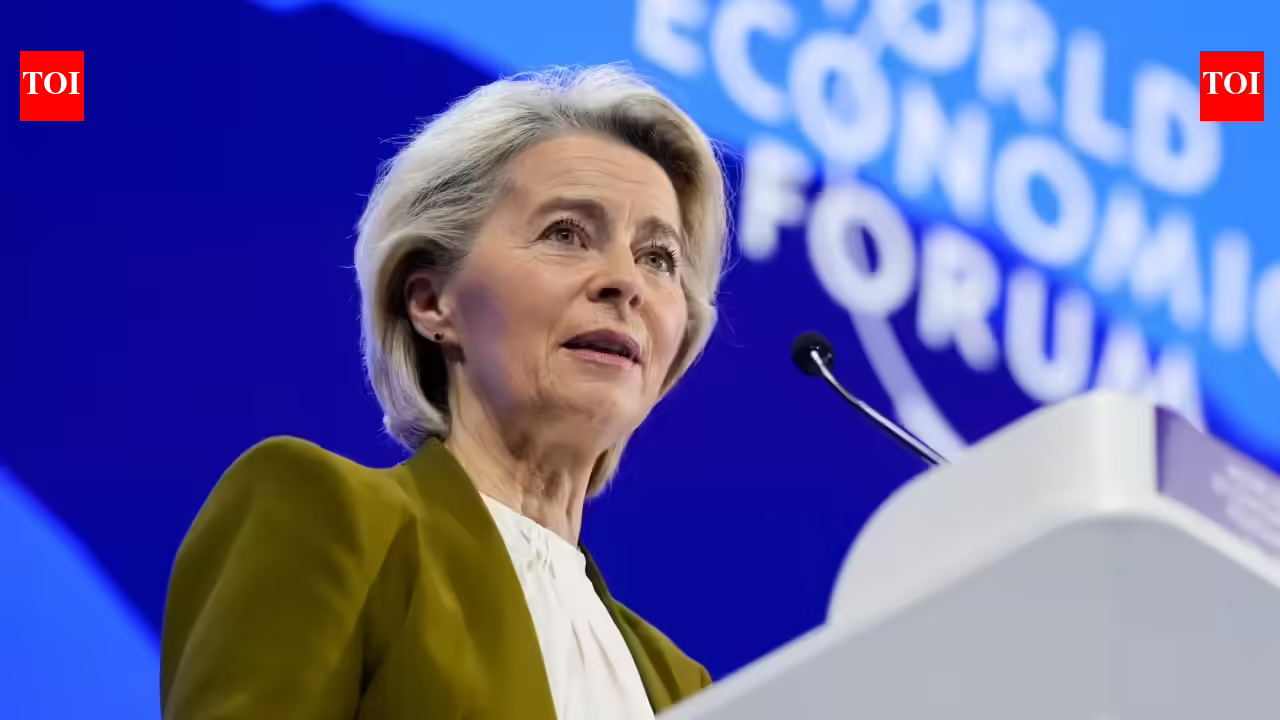
The agenda covers a wide set of priorities, but trade remains the headline. Officials and analysts have repeatedly described the proposed India–EU trade arrangement as potentially transformative, given the size of both markets and the breadth of sectors involved. Alongside trade, the visit also highlights the growing security and technology dimension of the partnership, as Europe looks to diversify beyond existing dependencies and India looks to expand strategic options.
Mobility—often a sensitive and practical component of economic engagement—is another key pillar. India has sought smoother pathways for professionals and services exports, while the EU has emphasised predictable frameworks and enforceable rules. The visit is expected to test how far both sides are willing to move on these linked tracks.
Why the India–EU track matters now
- India is positioning itself as a manufacturing and services hub as global firms rework supply chains.
- Europe is prioritising diversification and ‘de-risking’ strategies, including deeper Indo-Pacific ties.
- Trade outcomes are increasingly tied to standards, technology cooperation and strategic security.
For Indian businesses, the talks raise expectations of better market access for key export sectors, while for European firms the focus is on tariffs, standards, and predictable operating conditions. With multiple tracks running in parallel, the visit will be closely watched for timelines, deliverables and signals of political alignment.