EU leaders join India’s Republic Day celebrations, spotlighting a warmer India–Europe track
India’s Republic Day parade in New Delhi drew global attention this year with European Council President Antonio Costa and European Commission President Ursula von der Leyen attending as chief guests. The presence of the two leaders was widely read as a signal of deepening India–EU strategic engagement, alongside the ceremony’s traditional cultural and defence showcase.
NEW DELHI, January 26, 2026 — The international highlight of India’s 77th Republic Day celebrations was the presence of two top European Union leaders at Kartavya Path: European Council President Antonio Costa and European Commission President Ursula von der Leyen. Their joint attendance as chief guests brought a distinctly global tone to an event that is primarily a domestic national celebration, and coverage positioned the moment as a marker of strengthening India–EU ties. ([m.economictimes.com](https://m.economictimes.com/news/new-updates/republic-day-flying-rafales-hypersonic-missiles-operation-sindoor-tableau-what-the-2026-parade-will-convey-from-kartavya-path/articleshow/127518261.cms?utm_source=openai))
Republic Day guest diplomacy has long been a way for India to signal priorities in foreign policy. Having the EU’s institutional leadership together in New Delhi is unusual in optics and was portrayed as a deliberate emphasis on India’s engagement with Europe—at a time when trade, technology and security conversations between India and European partners have become increasingly prominent in global forums. While the parade’s marching columns and tableaux focused on national identity, the guest list pulled the world’s attention to India’s external partnerships. ([m.economictimes.com](https://m.economictimes.com/news/new-updates/republic-day-flying-rafales-hypersonic-missiles-operation-sindoor-tableau-what-the-2026-parade-will-convey-from-kartavya-path/articleshow/127518261.cms?utm_source=openai))
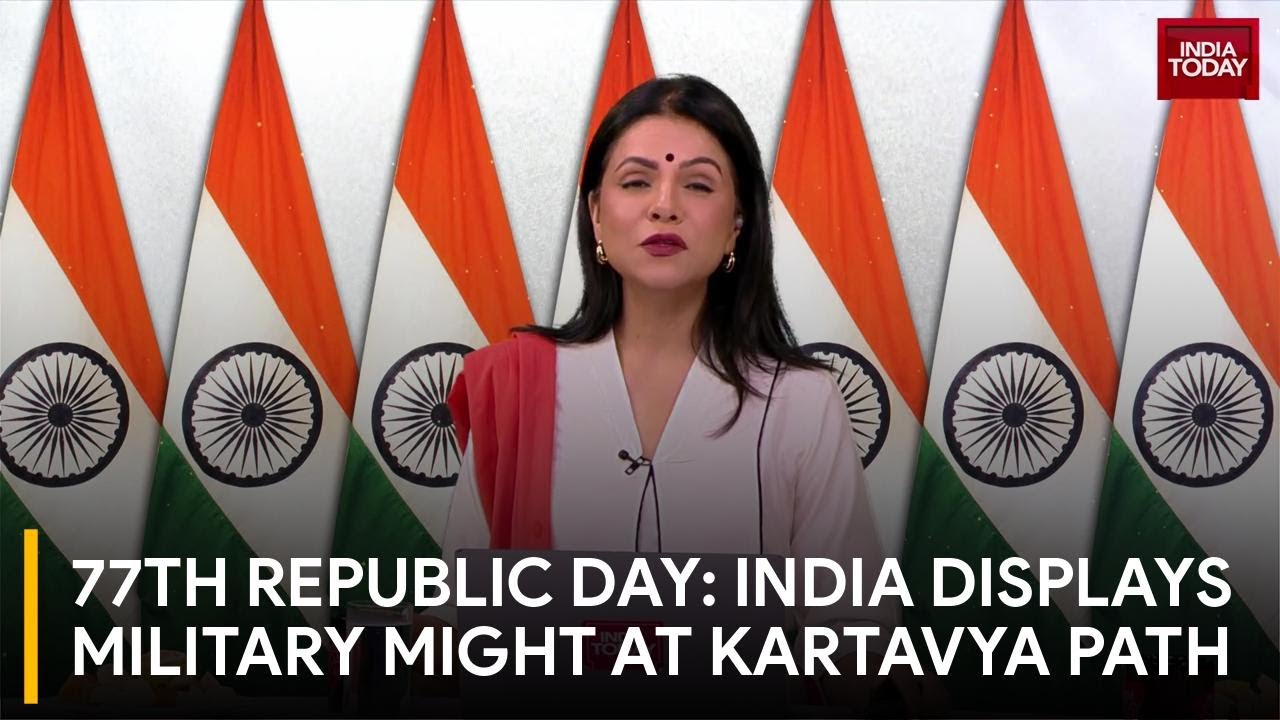
The televised commentary from the parade further reinforced a modern-security framing. Alongside the diplomatic messaging, the coverage highlighted updates in how India presents capability—from equipment displays to tactical cues. The combined effect was a ceremony that projected two messages at once: a confident, cohesive national story for citizens, and a partnership-ready posture for an international audience seated in the front row. ([indiatoday.in](https://www.indiatoday.in/india/video/preeti-choudhry-reports-india-celebrates-77th-republic-day-with-global-leaders-ytvd-2857876-2026-01-26?utm_source=openai))
At a time when major powers are recalibrating supply chains and security alignments, India’s Republic Day stage remains one of its clearest global megaphones. This year, that megaphone carried a simple signal: India’s strategic conversations are widening, and Europe is firmly inside the frame. ([m.economictimes.com](https://m.economictimes.com/news/new-updates/republic-day-flying-rafales-hypersonic-missiles-operation-sindoor-tableau-what-the-2026-parade-will-convey-from-kartavya-path/articleshow/127518261.cms?utm_source=openai))
- International focus: presence of two top EU leaders as chief guests
- Diplomatic signal: India–EU strategic partnership highlighted in coverage
- Context: parade also showcased modern capability and preparedness themes
What to watch next: The real test of ceremonial diplomacy is what follows—whether the symbolism translates into movement on trade, technology cooperation and coordination on security challenges. But for one day, the optics were clear: Europe’s leadership chose India’s national day as a venue to be seen, and India chose to be seen alongside them. ([m.economictimes.com](https://m.economictimes.com/news/new-updates/republic-day-flying-rafales-hypersonic-missiles-operation-sindoor-tableau-what-the-2026-parade-will-convey-from-kartavya-path/articleshow/127518261.cms?utm_source=openai))