EU leaders’ Republic Day visit spotlights push to deepen India–EU ties ahead of summit
European Council President António Costa’s India trip, including attending the Republic Day parade as guest of honour alongside European Commission President Ursula von der Leyen, is being framed as a marker of strengthening EU–India relations and a lead-in to high-level summit discussions.
A rare joint EU leadership presence in New Delhi
The European Council announced that its President, António Costa, is travelling to India for a high-level summit on January 27, 2026, and will participate in India’s Republic Day parade celebrations on January 26 as a guest of honour. European Commission President Ursula von der Leyen is also part of the visit, making it a joint appearance by the EU’s top leadership at one of India’s most prominent national events.
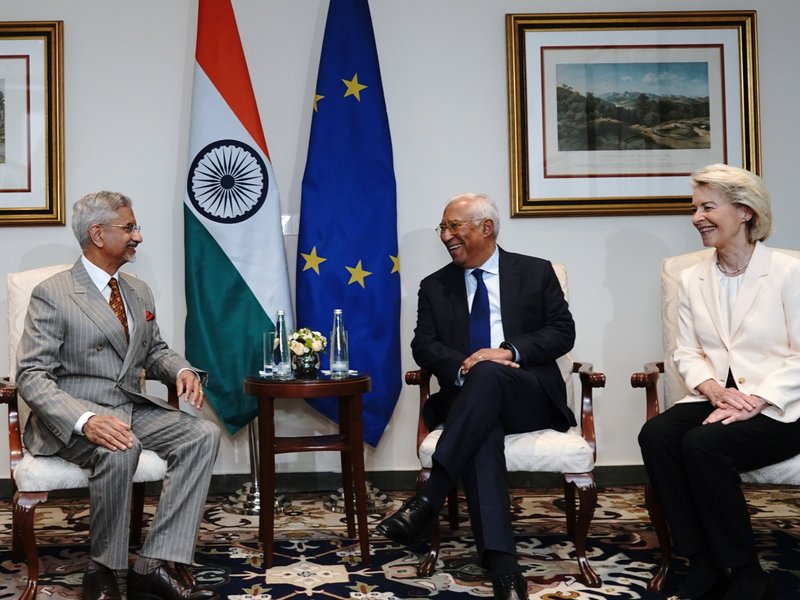
EU messaging around the visit cast the Republic Day participation as an indicator of a tightening relationship, with emphasis on shared agendas and cooperation across multiple pillars. For India, such high-profile attendance is typically treated as a diplomatic signal of priority and political will.
Summit agenda: prosperity, technology, security and connectivity
In its briefing, the European Council highlighted that the Council of the EU endorsed a new strategic EU–India agenda in October 2025, with focus areas including prosperity and sustainability, technology and innovation, security and defence, connectivity and broader global issues. The India visit is positioned as an opportunity to translate that agenda into summit-level commitments and follow-through mechanisms.
The same framing suggests that discussions are expected to range from economic cooperation and supply-chain resilience to technology collaboration and geopolitics. While the detailed outcomes would depend on leaders’ talks, the official notes underline an intent to treat the relationship as a strategic partnership rather than a narrow transactional engagement.
Why this matters beyond ceremony
Republic Day guest participation has long been used to convey the importance of bilateral ties, but a combined presence of the European Commission President and the European Council President is especially notable because it aligns two top EU institutions in one diplomatic push. In practical terms, it can create momentum for sector-specific workstreams—from clean energy and digital governance to defence cooperation and mobility frameworks.
The visit also arrives amid an environment where India and the EU are both seeking diversified partnerships in a changing global landscape. Against that backdrop, summit discussions following a visible Republic Day appearance are likely to be watched for concrete next steps, including timelines, project pipelines and institutional follow-ups.
Costa’s India leg is part of a wider Asian schedule, with the European Council noting a subsequent Vietnam visit on January 29, 2026. The sequencing underlines the EU’s stated intent to elevate engagement across the Indo-Pacific, with India positioned as a central partner in that approach.