India begins BRICS chairmanship in 2026; government launches logo and website as summit preparations start
India has taken over the BRICS chair for 2026 and has begun formal preparations for the 18th BRICS Summit, including the launch of an official logo and website as it sets priorities for meetings through the year.
India has assumed the chairmanship of BRICS for 2026, setting the stage for a year of ministerial meetings and policy signalling ahead of the 18th BRICS Summit, which the country is scheduled to host. The chair rotates among member states, and India’s turn comes at a time when the grouping is navigating questions of expansion, institutional direction and its role in a changing global order.
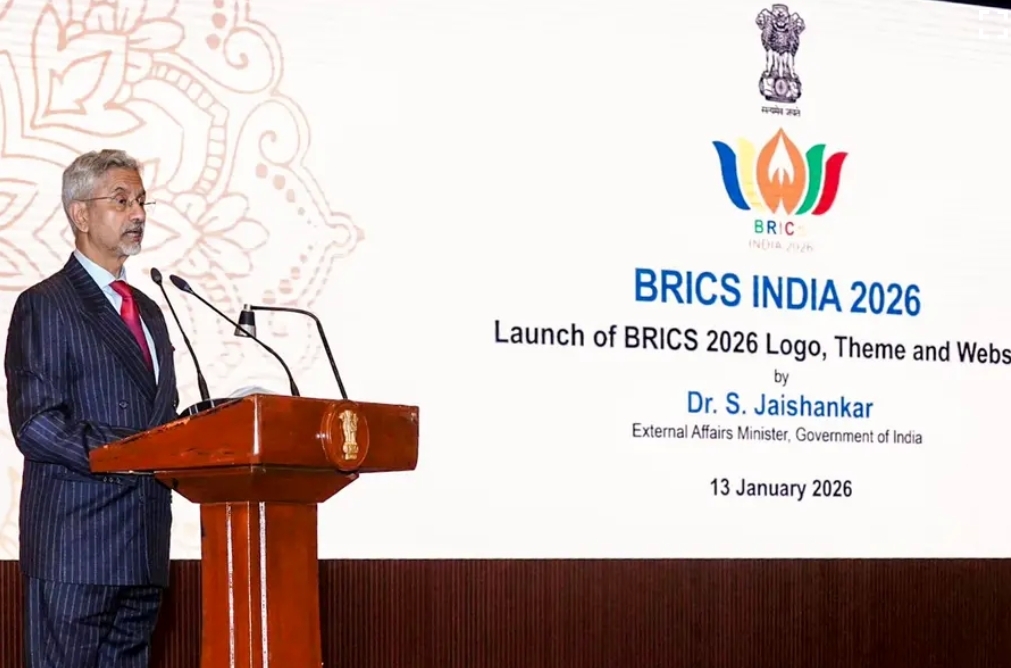
As part of the formal start of its presidency, the Government of India has launched a BRICS 2026 logo and an official website, signalling that the summit process has moved into an operational phase. Such launches typically serve two purposes: they announce the presidency’s identity and theme to member countries and partners, and they provide a public-facing platform for schedules, statements and outcomes as negotiations progress.
BRICS, originally comprising Brazil, Russia, India, China and South Africa, has added new members in recent years, widening both its diplomatic footprint and the complexity of consensus-building. India’s chair year is expected to feature working-group engagement across trade, finance, technology and sustainable development, alongside discussions on reform of global governance and multilateral institutions.
For New Delhi, the presidency is also a platform to frame how it sees the grouping’s relevance: balancing cooperation among emerging economies with practical deliverables that can be communicated to domestic and international audiences. The sequencing of meetings throughout the year often determines which proposals mature into leaders’ declarations, and which remain aspirational.
While the summit date in 2026 is expected to be confirmed through diplomatic channels, the early branding steps indicate that India is aiming for a structured run-up, including ministerial tracks and sectoral dialogues. Observers will watch how India navigates the grouping’s internal diversity, given differing geopolitical alignments among members.
The chairmanship is likely to be used to project India’s broader global messaging—on resilience, innovation and cooperation—while managing the practical realities of negotiating a multi-member agenda. The coming months will reveal whether the presidency prioritises headline expansion debates or focuses more on implementable economic and development outcomes.