India and EU seal landmark free trade agreement, set legal scrubbing and ratification path
India and the European Union have concluded a long-pending free trade agreement, a deal both sides describe as historic after nearly two decades of on-and-off negotiations. The agreement now moves into legal scrubbing and subsequent ratifications before it can enter into force.
A long negotiation ends, a new corridor opens
India and the European Union have finalised a landmark free trade agreement (FTA) after negotiations that began in 2007 and were revived in 2022. Leaders framed the pact as strategically significant as the two sides seek to deepen economic ties amid shifting global trade alignments.
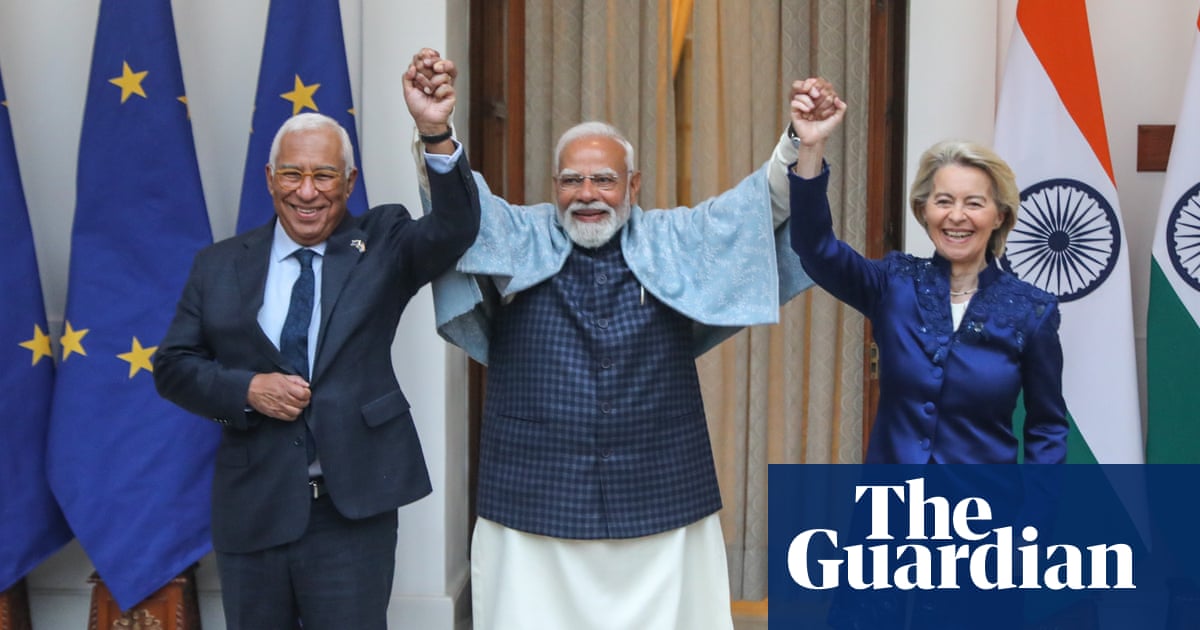
As outlined by European Commission President Ursula von der Leyen and Indian Prime Minister Narendra Modi, the agreement is designed to open market access on both sides and substantially reduce or remove tariffs across a wide basket of goods. The EU said the deal targets tariff elimination or reduction for 96.6% of traded goods by value, and has projected a sharp expansion of exports over the coming years.
Tariffs: cars, industrial goods, and more
A key headline element is the plan to bring India’s tariffs on European cars down over time, with the EU indicating a path to about 10% over five years from rates that can reach around 110%. The package also covers industrial products such as machinery, chemicals, and pharmaceuticals, while India is expected to gain improved access for sectors including textiles, gems and certain pharma exports.
What happens next: legal scrubbing, approvals, and timelines
Even after the political announcement, the agreement must still go through legal vetting (often called legal scrubbing), translation and formal approvals. The deal requires ratification steps across EU institutions and member states, as well as approvals on the Indian side before it can enter into force.
Officials have indicated that the legal and ratification process could take several months, and that implementation is likely to follow after the formal signing and completion of domestic procedures.