IMD warns of heavy snow, hail and thunderstorms from 26 January; authorities issue safety and travel advisories
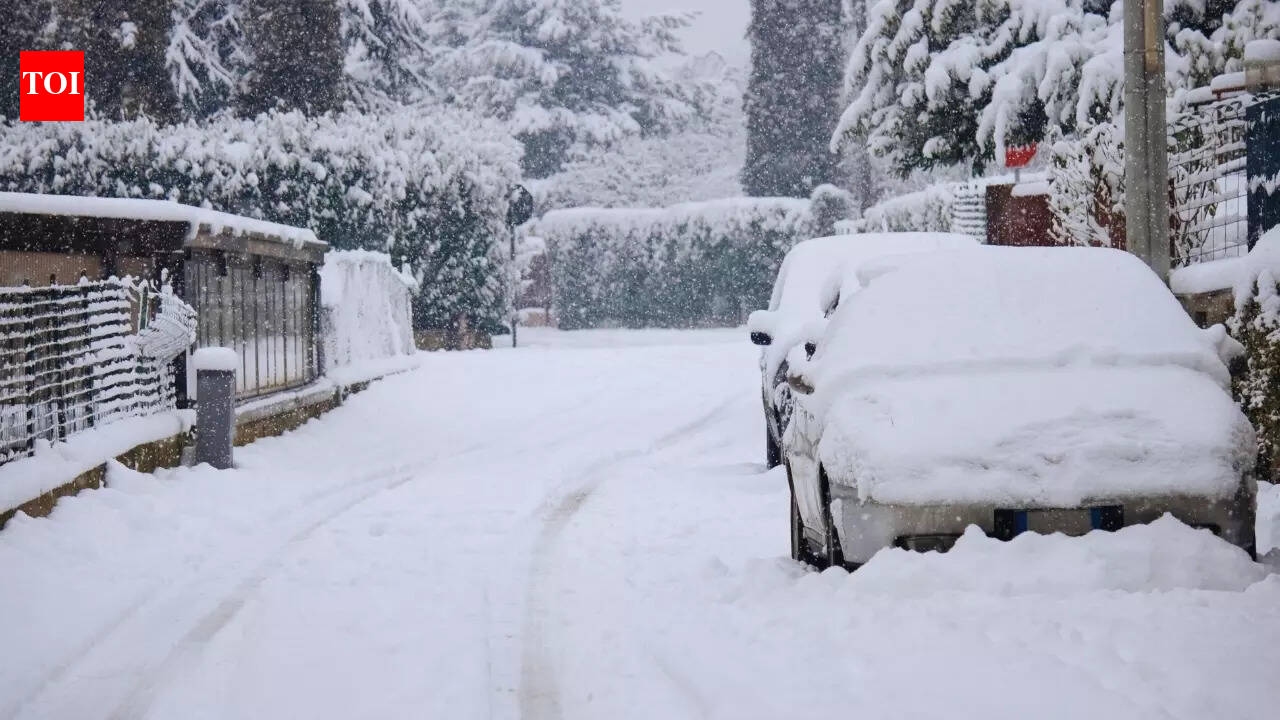
The IMD has issued alerts for widespread unsettled weather from 26 January, including heavy snowfall, hailstorms and thunderstorms across parts of north and central India. Disruptions to travel and outdoor activity are expected as conditions peak around 27 January.
Weather alert with public-safety implications
A fresh India Meteorological Department (IMD) alert flags a spell of widespread active weather starting 26 January 2026, driven by a western disturbance, with forecasts indicating heavy snowfall in higher reaches and hailstorms, thunderstorms and gusty winds across multiple regions. While weather news is often filed under daily updates, such alerts also carry a clear public-health and safety dimension, especially when combined with cold-wave stress, low visibility and accident risk on roads.
What the forecast says for 26–28 January
As per the report, impacts are expected to build from 26 January and peak around 27 January, with the heaviest snow and intense hail activity likely during this window before the system weakens gradually on 28 January, even as stormy conditions may persist. Ahead of the disturbance, dense fog and cold-wave conditions are also expected to continue through 26 January in parts of north India, increasing risks for motorists and travellers due to sharply reduced visibility and delayed emergency response times.
Health risks: cold exposure, injuries, and access disruptions
Periods of heavy snow and hail can trigger spikes in injuries from slips and falls, road accidents and exposure-related illness, particularly among the elderly, children, and outdoor workers. In hill regions, blocked routes can disrupt access to healthcare, medicines and essential supplies, while power outages can affect heating and refrigeration needs. Fog and storms can also delay ambulances and emergency services, making early caution and route planning especially important.
Precautions being advised
Authorities typically advise avoiding non-essential travel during peak weather, monitoring local warnings, and keeping emergency supplies ready. For households, basic preparedness includes warm clothing, safe heating practices to prevent carbon monoxide risk, and checking on vulnerable neighbours. For travellers, the practical steps include verifying road status, keeping a charged phone and power bank, and allowing extra time due to fog-related slowdowns and possible closures.