Nipah outbreak in West Bengal: five cases reported in a week; quarantine and containment steps intensified
West Bengal reported five Nipah virus cases within a week, with two early patients—both healthcare workers from a private hospital in Barasat—remaining in intensive care. Authorities initiated quarantine measures and stepped up containment as additional cases were admitted to an infectious diseases hospital in Kolkata.
West Bengal reported a Nipah virus outbreak with five cases in a week, prompting quarantine and heightened public health measures, NDTV reported on 17 January 2026. The first two patients—a male nurse and a female nurse who worked at a private hospital in Barasat in North 24 Parganas district—were reported to be in intensive care, with officials indicating one patient’s condition had shown improvement while the other remained very critical.
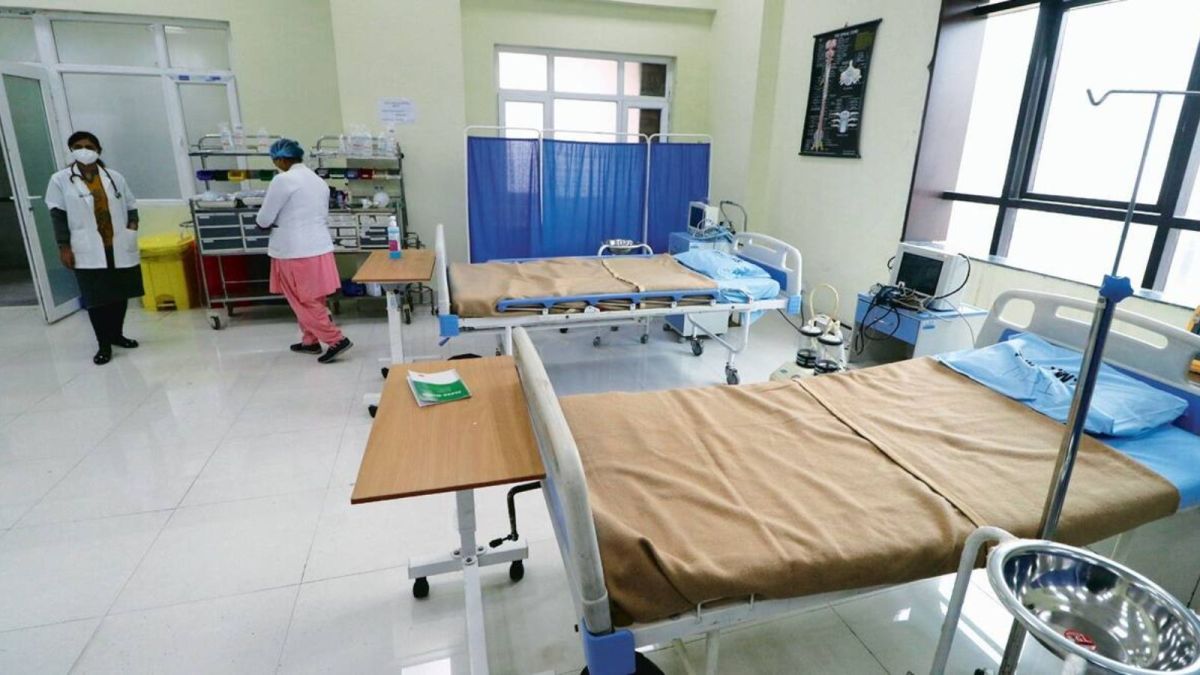
NDTV said three additional cases were reported subsequently, including a doctor, a nurse and a health staff member, and that they were admitted to an infectious diseases hospital in Beleghata, Kolkata. Authorities also placed around 100 people in home quarantine as part of contact tracing and containment measures after the first confirmed cases were detected.
Nipah is a zoonotic viral disease that can cause severe illness, and outbreaks tend to trigger strict infection-control protocols in hospitals. Health departments typically focus on rapid identification of contacts, isolation of symptomatic individuals, use of personal protective equipment by healthcare staff, and public advisories on symptom monitoring and when to seek medical help.
In situations like this, officials often strengthen surveillance in and around the affected districts, monitor healthcare facilities for unexplained fever and encephalitis-like symptoms, and issue guidance to both private and public hospitals on triage and referral pathways. Citizens are usually urged to avoid misinformation and follow verified advisories, while families of patients and close contacts are monitored for symptoms during the incubation period. Further updates are expected as lab testing, contact tracing and clinical management continue.