Ahead of Union Budget 2026-27, health leaders urge higher public spending and stronger rural care delivery
Healthcare leaders and experts have urged the government to raise public health spending in the Union Budget 2026-27, pointing to pressure from a dual disease burden and rising demand for preventive and long-term care. They also called for stronger delivery systems in rural and underserved regions.
Budget focus: spending and system capacity
With the Union Budget 2026-27 approaching, healthcare industry leaders and experts have called on the government to significantly increase public spending on health. Industry bodies argue that stronger public investment is required to expand capacity, improve access and keep pace with rising demand across urban and rural India.
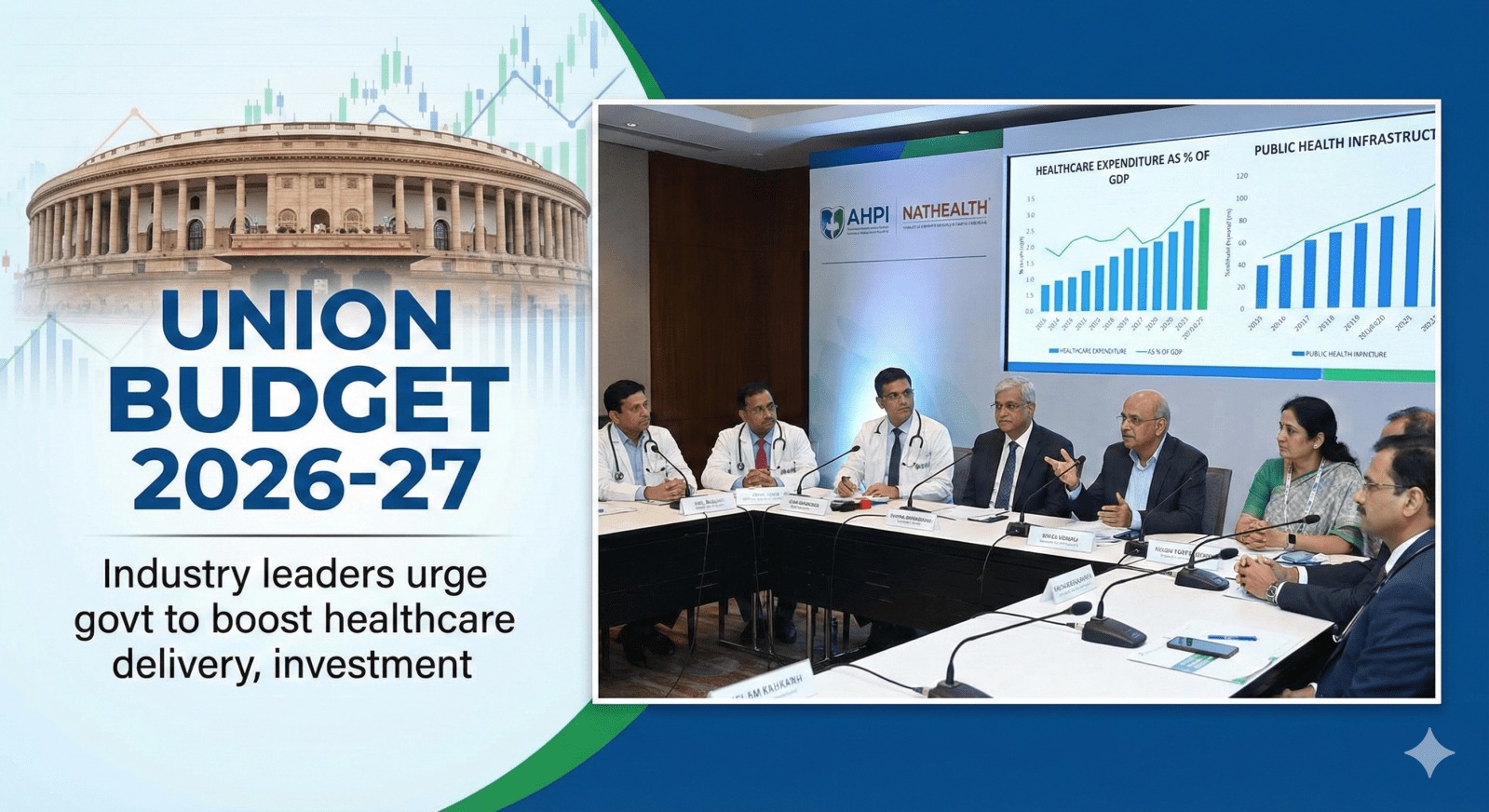
The Association of Healthcare Providers - India (AHPI) noted that public health expenditure remains below the National Health Policy target of 2.5% of GDP, and urged policy makers to use the upcoming budget to strengthen foundational health systems.
Why the pressure is rising
Health stakeholders highlight that India faces a dual burden of disease, with communicable illnesses continuing alongside a growing load of non-communicable conditions. At the same time, the system is seeing higher demand for speciality services, preventive care, diagnostics and long-term management of chronic disease.
Leaders argue that without sustained public investment, the gap between demand and delivery may widen, particularly in districts where health infrastructure and staffing remain constrained.
Rural and underserved regions as a priority
A key request from the sector is to prioritise strengthening delivery in rural, semi-urban and underserved regions. The goal, they say, should be to advance universal health coverage by improving primary care, referral networks and the availability of essential services closer to where people live.
Stakeholders also emphasise that investments in prevention and early detection can reduce long-term costs, improve productivity and ease pressure on tertiary hospitals, making health spending an economic as well as social priority.
Sources and reporting record
- 01NDTVNDTV