IMD warns of heavy snow, hailstorms and widespread rain from Jan 26; fog and cold wave persist till then
The India Meteorological Department has issued alerts for heavy snowfall, hailstorms, thunderstorms and gusty winds across parts of north, northwest and central India from January 26 as a fresh western disturbance approaches. The IMD also said dense fog and isolated cold-wave conditions are likely to persist till January 26.
Why this forecast matters for public health
A fresh western disturbance is set to bring a spell of unsettled weather across large parts of north, northwest and central India starting Monday, January 26, 2026, the India Meteorological Department (IMD) said in its latest bulletin. The forecast includes heavy snow in the western Himalayas, hailstorms and thunderstorms in several regions, and gusty winds including rough sea conditions over southern coastal waters.
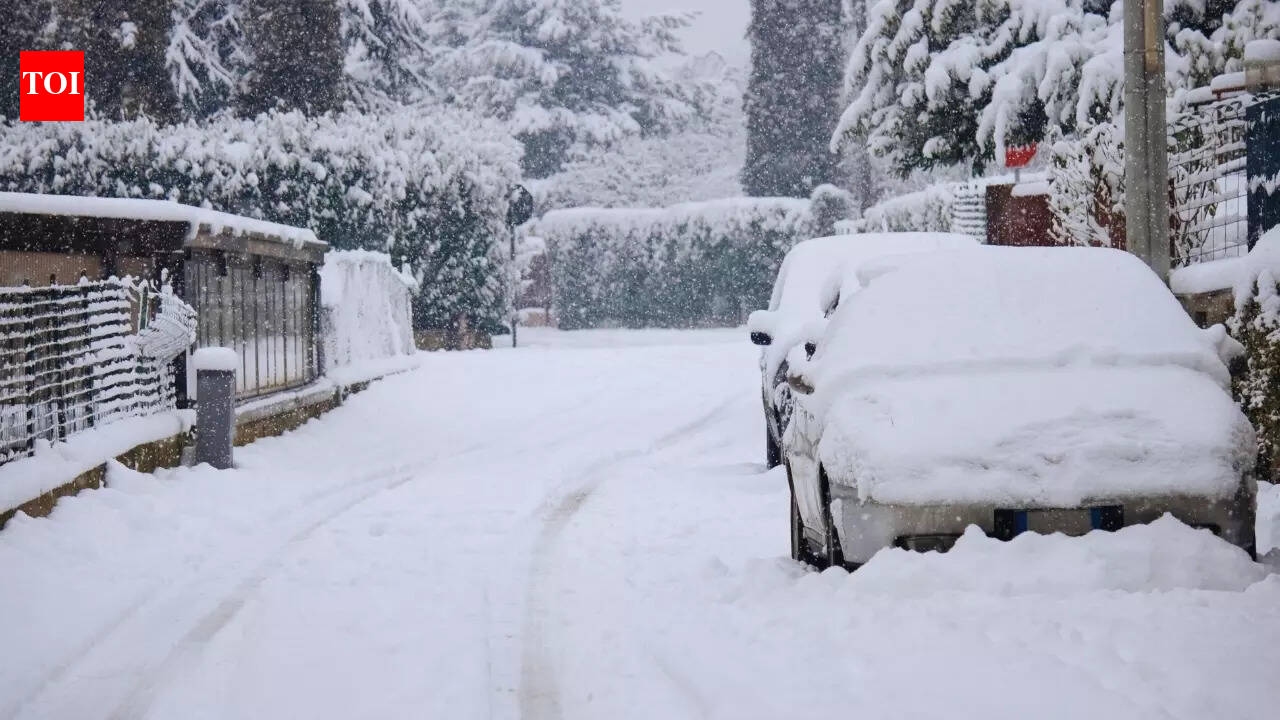
While the update is framed as a travel and weather advisory, it has direct health implications: cold exposure, respiratory stress during foggy conditions, and injury risks due to poor visibility, slippery roads and storm-related disruptions. For vulnerable groups—older adults, young children, people with asthma/COPD, and those with heart disease—cold waves and sudden temperature swings can raise risk, particularly when combined with longer commute times and power outages.
What IMD says: peak activity around Jan 27–28
IMD said the system is expected to become most active around January 27 and 28, with heavy rainfall/snowfall at isolated places over Jammu & Kashmir and Himachal Pradesh, and hailstorms and thunderstorms likely in multiple hill and adjoining plain districts. The bulletin also noted dense to very dense fog pockets over parts of Punjab, Haryana and Chandigarh on January 25 and 26, and dense fog in other areas including parts of Uttar Pradesh and Madhya Pradesh.
In the south, IMD flagged squally weather over the Gulf of Mannar and Comorin area with strong winds, advising caution for fishermen and small vessels. Fog can also disrupt road and rail operations, increasing the chance of accidents and delaying access to healthcare services in emergencies.
Practical precautions for the next 72 hours
- Limit early-morning travel in dense fog; use public advisories and slow speeds
- Keep warm and avoid prolonged cold exposure, especially for children and seniors
- For asthma/COPD patients: keep inhalers/meds accessible and avoid outdoor exertion in cold/fog
- In snow/hail areas: prevent slips by using proper footwear and avoiding unnecessary outdoor movement
- Follow local administration alerts on road closures and emergency services
IMD’s alert is not only about travel disruption: fog, cold waves, hail and heavy snow can quickly translate into preventable injuries and acute health stress if precautions aren’t taken.