Kolkata sees cough-and-cold spike as temperature swings trigger respiratory infections
Hospitals in Kolkata are reporting a surge in cough and cold cases amid fluctuating winter temperatures, with doctors linking the rise to common respiratory viruses and warning against unnecessary antibiotic use.
Weather volatility and a winter infection wave
Hospitals in Kolkata are seeing a rise in cough-and-cold cases as winter temperatures fluctuate, with doctors attributing the spike to common respiratory viruses and seasonal triggers. The report notes that minimum temperatures have swung in a narrow but impactful range, and clinicians are observing more patients with persistent cough, chest congestion, fever and hoarseness.
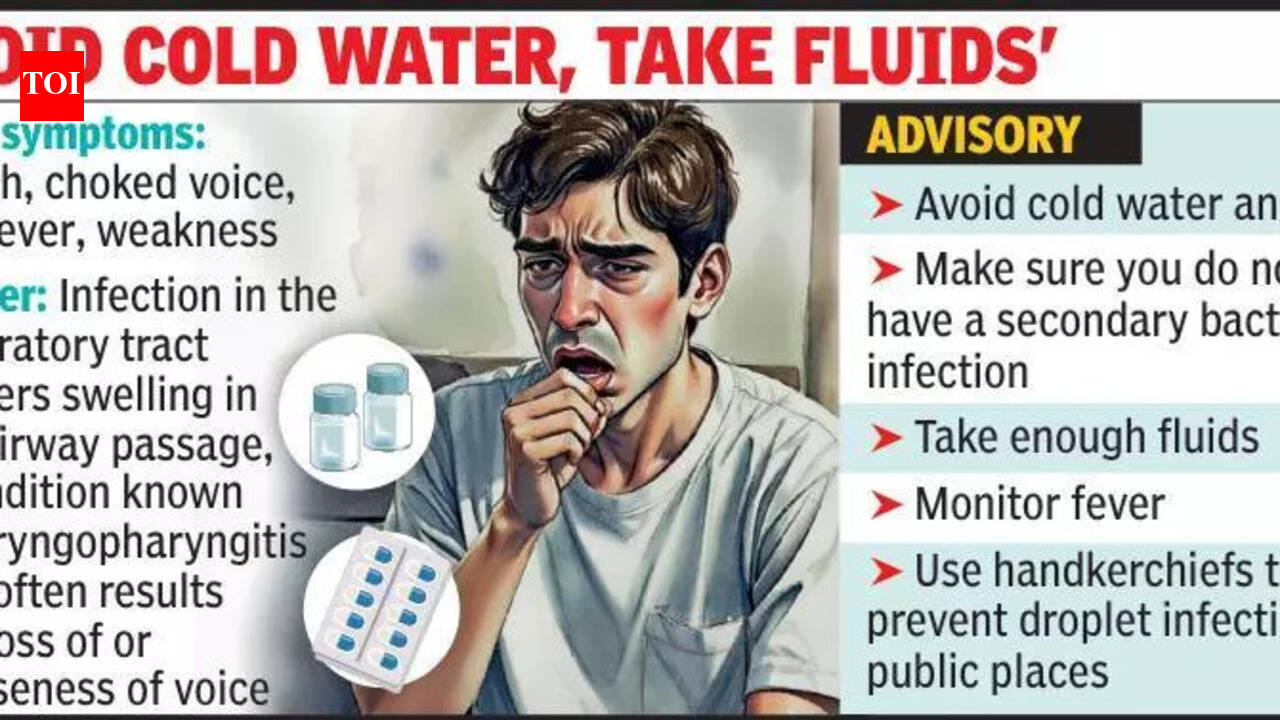
Medical experts quoted in the report linked the pattern to viruses such as rhinovirus, metapneumovirus and respiratory syncytial virus (RSV), along with bacterial infections in some cases. For people already living with chronic respiratory conditions like asthma or COPD, winter pollution and stagnant air can compound symptoms, pushing more patients into clinics and emergency rooms.
Doctors also cautioned against self-medication with antibiotics, emphasising that most cough-and-cold episodes are viral and should be treated with supportive care unless a clinician identifies a bacterial complication. The advice is especially relevant during seasonal spikes, when overuse of antibiotics can worsen antimicrobial resistance and still fail to improve outcomes for viral infections.
Practical precautions highlighted by clinicians
- Use symptom-based treatment and seek medical advice if fever or breathing difficulty persists.
- Avoid unnecessary antibiotics unless prescribed by a qualified doctor.
- Protect vulnerable people (children, elderly, chronic lung patients) from cold exposure and pollution triggers.
The overall expectation, doctors said, is that the rise may continue until weather conditions stabilise. For households, the immediate focus is on monitoring symptoms, limiting exposure to known triggers, and getting timely care for high-risk patients.