Ahead of Budget 2026-27, new study urges higher public healthcare spending to curb rising costs and inequality
An academic study released ahead of Budget 2026-27 calls for a sharper increase in public healthcare expenditure, arguing that structural economic and social shifts are pushing costs up and widening access gaps. The research analyses long-run drivers of health spending and flags the burden of out-of-pocket payments for households.
NEW DELHI: As the Union Budget 2026-27 approaches, a new academic study has renewed calls for a significant increase in India’s public healthcare expenditure, warning that rising medical costs and persistent inequality in access could deepen without stronger state funding.
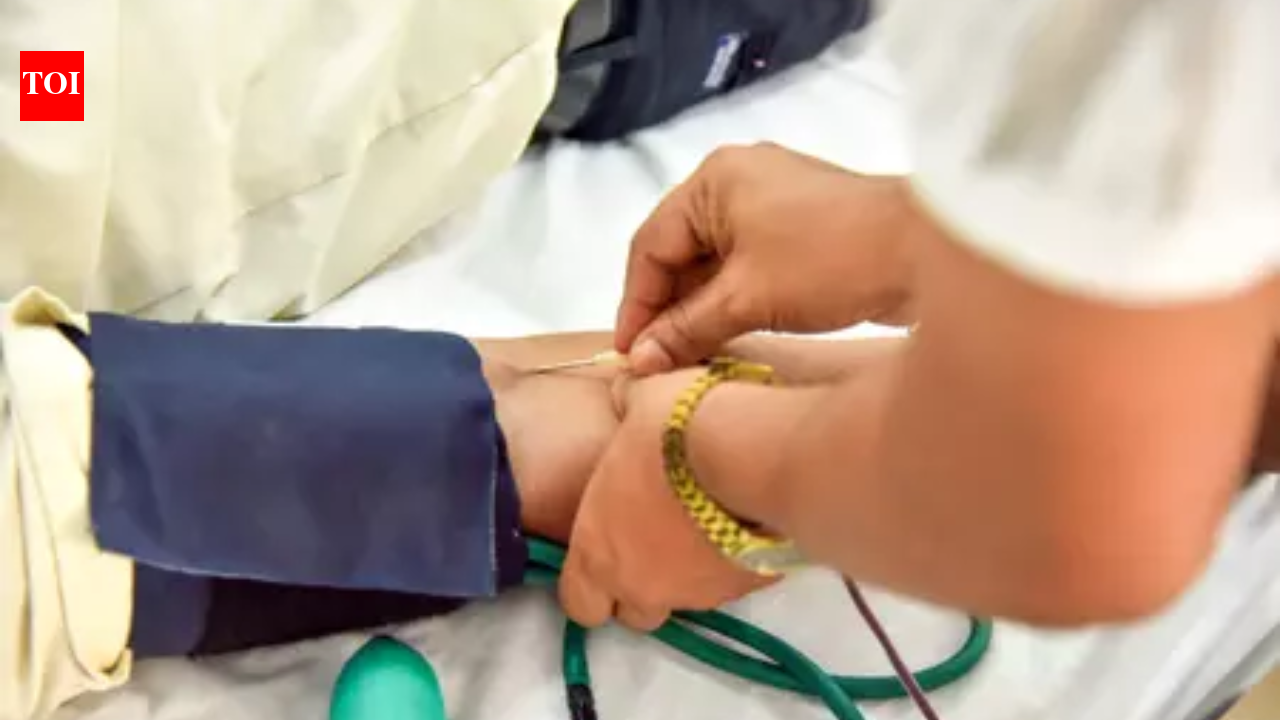
The research, published in December in the International Journal of Advanced Research, examines national data from 1991 to 2023 and analyses factors that influence healthcare spending trends over time. It looks at both overall per-capita expenditure and the household burden of out-of-pocket (OOP) payments, a key indicator of financial stress in healthcare.
According to the report, multiple variables have long-term relationships with healthcare expenditure patterns, including per-capita income, secondary education enrolment, urbanisation, inflation, life expectancy and per-capita public health spending. The authors argue these relationships matter for policy because they signal that health costs are not simply a short-term spike but part of a broader structural shift.
The study suggests inflation, income growth and urbanisation can interact with household spending pressures, and highlights that OOP payments remain a central concern—particularly for families that may delay care, take on debt or cut other essential expenses when faced with large medical bills.
For Budget 2026-27, the implied message is that incremental increases may not be enough. Researchers and public health advocates often argue that stronger public provisioning—primary care, diagnostics, medicines and hospital capacity—can reduce avoidable spending, improve early treatment and prevent health shocks from turning into financial shocks.
The paper’s timing adds weight to the ongoing budget-season debate over where new spending should go: building resilient health systems, improving last-mile access, and reducing the dependence on private out-of-pocket payments. As policymakers weigh competing demands, the study positions public health funding as both an equity intervention and a long-term productivity investment.