Budget 2026-27: New study urges higher public healthcare spending to tackle rising costs and inequality
A new academic study released ahead of Union Budget 2026-27 has called for a significant increase in public healthcare expenditure in India. The researchers argue that fast-changing economic and social conditions are driving medical costs upward and widening inequality, making stronger public investment essential for equitable access.
As the Union Budget 2026-27 approaches, a new academic study has argued for a significant rise in India’s public healthcare expenditure. The study, referenced in a report published on January 26, 2026, says that ongoing economic and social transformations are pushing medical costs higher and aggravating inequality in access to healthcare services, strengthening the case for greater public investment in the health system. ([timesofindia.indiatimes.com](https://timesofindia.indiatimes.com/business/india-business/budget-2026-expectation-new-study-pushes-for-increase-in-public-healthcare-expenditure/articleshow/127552738.cms?utm_source=openai))
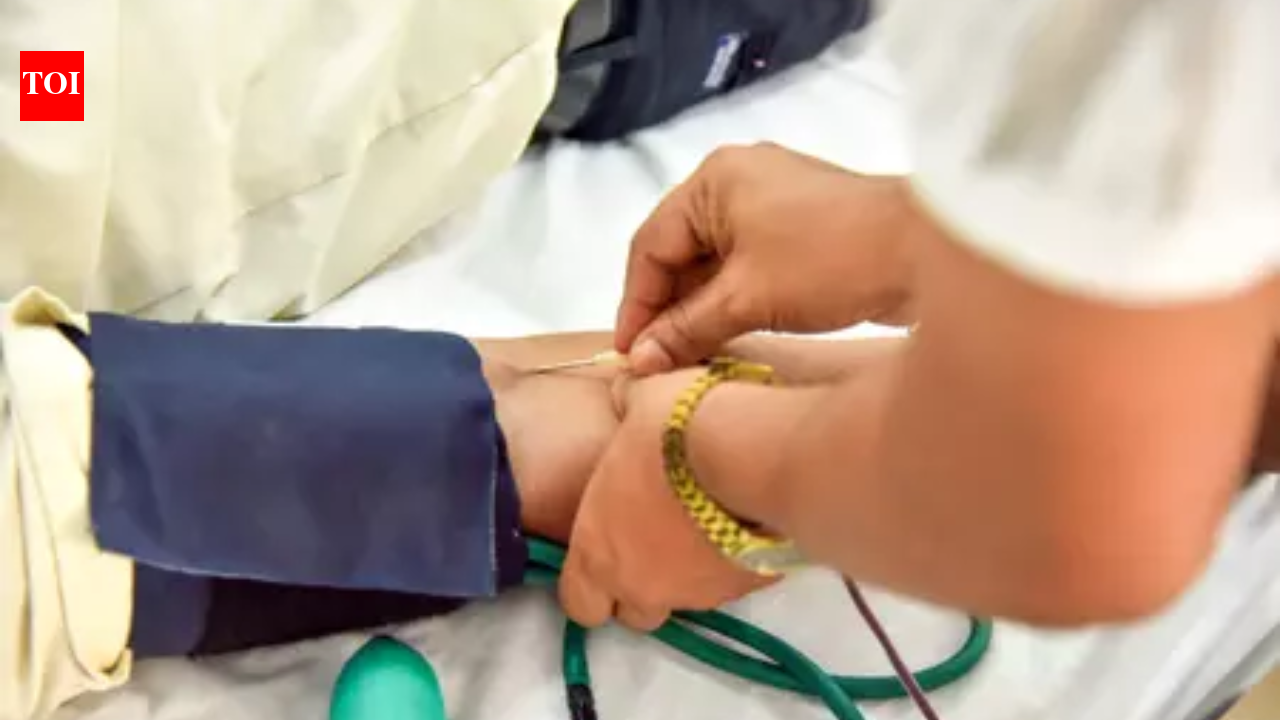
The central claim is straightforward: when private out-of-pocket spending remains high, families face sharp financial risk from illness—especially for hospitalisation, chronic disease management and medicines. In that environment, underfunded public systems don’t just reduce service quality; they can widen access gaps between cities and smaller towns, and between income groups. The study’s emphasis is that public spending is not only a welfare measure, but also a macroeconomic stabiliser that reduces catastrophic health expenditure and supports productivity.
The timing of the recommendation matters. Budget cycles determine not only headline allocations but also the pace at which primary care, public hospitals, diagnostics and preventive programmes are expanded. A meaningful increase in public healthcare spending would typically require parallel focus on execution capacity—human resources, procurement systems, and governance—so that additional funds translate into improved coverage, shorter waits and better quality of care on the ground. ([timesofindia.indiatimes.com](https://timesofindia.indiatimes.com/business/india-business/budget-2026-expectation-new-study-pushes-for-increase-in-public-healthcare-expenditure/articleshow/127552738.cms?utm_source=openai))
The study’s argument also intersects with India’s broader health priorities, where demographic change and non-communicable diseases add pressure to already stretched infrastructure. If costs rise faster than incomes for vulnerable groups, inequality in healthcare can become self-reinforcing: delayed treatment leads to more severe illness, higher costs later, and deeper economic stress for households.
- Trigger: Union Budget 2026-27 discussion
- Study’s thrust: increase public health expenditure
- Rationale: rising medical costs and widening inequality
- Policy test: turning allocation into capacity and access
What to watch: Whether Budget 2026-27 prioritises public health as a long-term investment—through sustained multi-year funding, stronger primary care and improved public hospital capability—will determine if the study’s warning translates into policy action. ([timesofindia.indiatimes.com](https://timesofindia.indiatimes.com/business/india-business/budget-2026-expectation-new-study-pushes-for-increase-in-public-healthcare-expenditure/articleshow/127552738.cms?utm_source=openai))