Budget 2026-27: Study urges higher public healthcare spending to address rising costs and inequality
A study released ahead of the Union Budget 2026-27 calls for higher public healthcare expenditure, arguing that economic change and rising medical costs are widening inequality in access. The paper urges stronger public systems and funding to improve affordability, infrastructure and universal access.
A pre-Budget push on healthcare funding
An academic study released ahead of the Union Budget 2026-27 has urged the government to significantly increase public healthcare expenditure. The study argues that India’s economic and social transformation is being accompanied by rising medical costs, and that the mismatch between demand and public capacity risks deepening inequality in access to care.
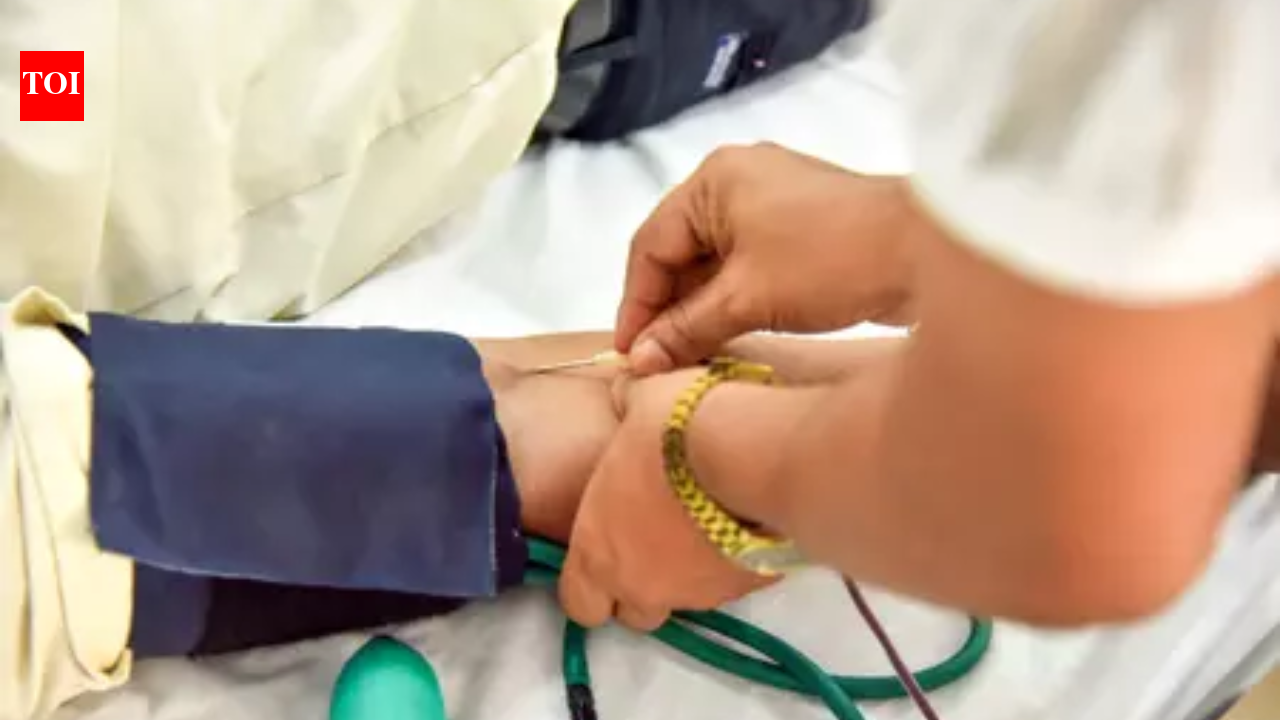
The timing is notable: as Budget season begins, competing claims for fiscal space intensify, and health-sector advocates frequently push for higher allocations for primary care, public hospitals, staffing, and preventive programmes. The study’s message fits that pattern—using evidence and equity arguments to strengthen the case for larger public investment.
Why the study says spending must rise
The study highlights a familiar but persistent concern: medical inflation and rising out-of-pocket spending can push households into financial stress, especially when access to quality public services is limited. It argues that without stronger public funding, the burden shifts to individuals, amplifying inequality as better-off households can absorb costs while poorer households delay or forgo treatment.
Researchers also point to the need for stronger health infrastructure, including facilities and service delivery capacity, to ensure universal access in practice and not only in policy statements. The push is not limited to curative care; it also implies the importance of prevention, early detection and broader public health systems that reduce long-term disease burden.
What this could mean for Budget choices
If policymakers accept the study’s framing, the Budget could prioritise higher allocations for public hospitals, primary health centres, and workforce expansion, alongside targeted schemes that reduce catastrophic health spending. The study’s emphasis on inequality suggests that regional and rural-urban gaps may be a key lens for any increased spending.
Ultimately, the study positions public health investment as both a social equity tool and an economic one: healthier populations sustain productivity, and stronger public systems can reduce the household-level financial shocks that often spill into wider economic vulnerability. The debate will now move into Budget negotiations, where healthcare competes with other urgent demands on public finances.