Study tracks evolving Mpox Clade Ib in India; Kerala cases linked to travel, show human-to-human spread
Indian researchers report early genetic evidence of Mpox Clade Ib evolution in cases detected in Kerala, with most infections linked to foreign travel and signs of sustained human-to-human transmission. The findings strengthen the case for tighter surveillance and preparedness.
What the study found
A new analysis by Indian scientists has reported the first detailed genetic characterisation of Mpox Clade Ib detected in India, focusing on cases identified in Kerala and linked largely to international travel. Researchers examined multiple confirmed infections and noted mutational patterns consistent with an evolving virus and continued transmission among humans.
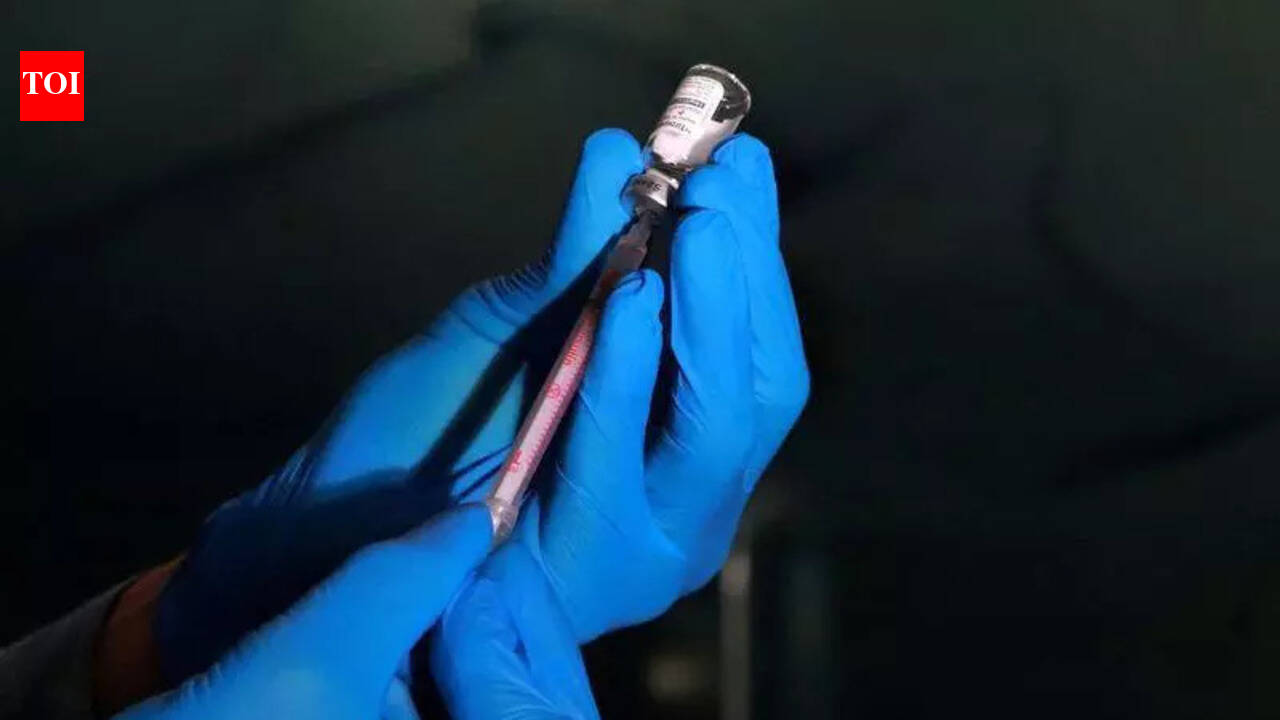
The study, as reported, analysed 10 confirmed cases detected between September 2024 and March 2025, with nine associated with recent foreign travel and one linked to local spread through a family contact. The researchers described evidence that the virus is adapting as it circulates, underscoring the need to track genomic changes that could affect transmissibility and outbreak dynamics.
Why Clade Ib is being watched
Mpox has multiple clades, and Clade Ib is considered important in the context of recent outbreaks because it has shown sustained chains of transmission in certain regions. The Indian analysis points to mutational signals and convergence with patterns observed internationally, suggesting that global movement and travel-linked introductions can seed cases even when overall numbers remain limited.
For public health systems, the concern is not only the detection of imported cases but the ability to rapidly identify and contain any local transmission. Even a small number of locally linked infections can indicate that public-facing surveillance needs to be strengthened.
What this implies for surveillance and preparedness
The findings reinforce the importance of continued genomic surveillance, targeted testing for suspected cases and careful contact tracing when travel exposure is involved. Researchers and health officials typically look for early markers that suggest a virus is transmitting more efficiently, or that clinical patterns are shifting, so that guidelines can be updated in time.
The report also highlights a practical lesson from travel-linked infections: early detection at the state level, combined with coordinated lab capacity and fast reporting, can limit onward spread. As India and the world continue to monitor Mpox, such sequencing-led insights are increasingly used to inform risk assessment and response planning.