WHO flags India’s 2024 Zika case totals and urges continued surveillance and mosquito control
A WHO Disease Outbreak News update summarised India’s Zika virus disease reports from 2024, noting cases across Gujarat, Karnataka and Maharashtra and emphasising the ongoing need for vector control, surveillance, and public awareness.
What the WHO update says about Zika in India
The World Health Organization, in a Disease Outbreak News note, provided a consolidated overview of Zika virus disease (ZVD) reports in India for the period from 1 January to 31 December 2024. The update recorded a cumulative total of 151 cases from three states—Gujarat, Karnataka and Maharashtra—with Maharashtra accounting for the large majority of the reported total.
Transmission routes and why vigilance matters
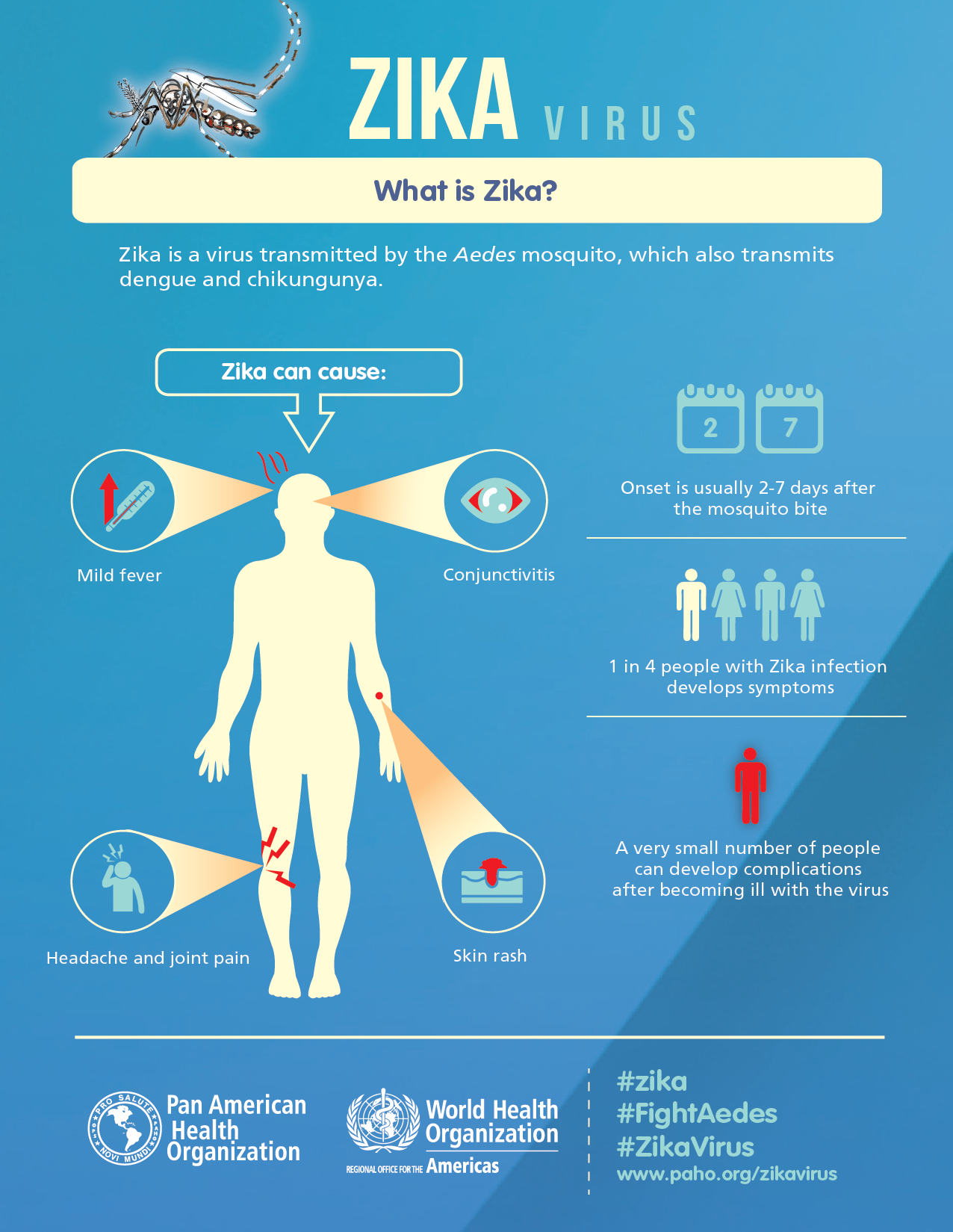
Zika is primarily spread by Aedes mosquitoes, which also transmit other diseases of concern in India. The WHO note also highlighted that Zika can be transmitted from mother to fetus during pregnancy and can spread through sexual contact, blood transfusion and potentially via organ transplantation. Because transmission is not limited to mosquito bites alone, outbreak preparedness often requires coordination between vector control teams and clinical surveillance systems.
Complications and monitoring
The WHO update noted that, as of 31 December 2024, no cases of microcephaly and/or Guillain-Barré syndrome associated with that reported outbreak period had been recorded. Even so, public health guidance typically stresses careful monitoring, especially for pregnant women, because adverse outcomes can occur when infections go undetected or are under-reported.
What people and local systems can do
Public health response to Zika focuses on reducing mosquito breeding sites, improving household and community protection from bites, and maintaining surveillance so clusters are detected early. In India’s context, routine prevention actions—covering water containers, removing stagnant water, using screens and repellents, and supporting local vector control drives—remain practical tools that can reduce risk during periods when Aedes mosquito populations rise.