Ahead of Union Budget 2026-27, health sector leaders push for higher public spending and stronger rural care
Healthcare leaders have urged the government to raise public health expenditure in the Union Budget 2026-27, arguing India remains below its National Health Policy spending target. Industry voices say pressure from both communicable and non-communicable diseases makes investment in primary care, prevention and underserved regions more urgent.
Budget-season push for bigger health allocations
With the Union Budget 2026-27 approaching, healthcare industry leaders and experts are calling for a meaningful increase in public spending on health. The appeal centres on the argument that government expenditure remains below the National Health Policy goal of 2.5% of GDP, and that the system is facing rising demand across both routine and specialised care.
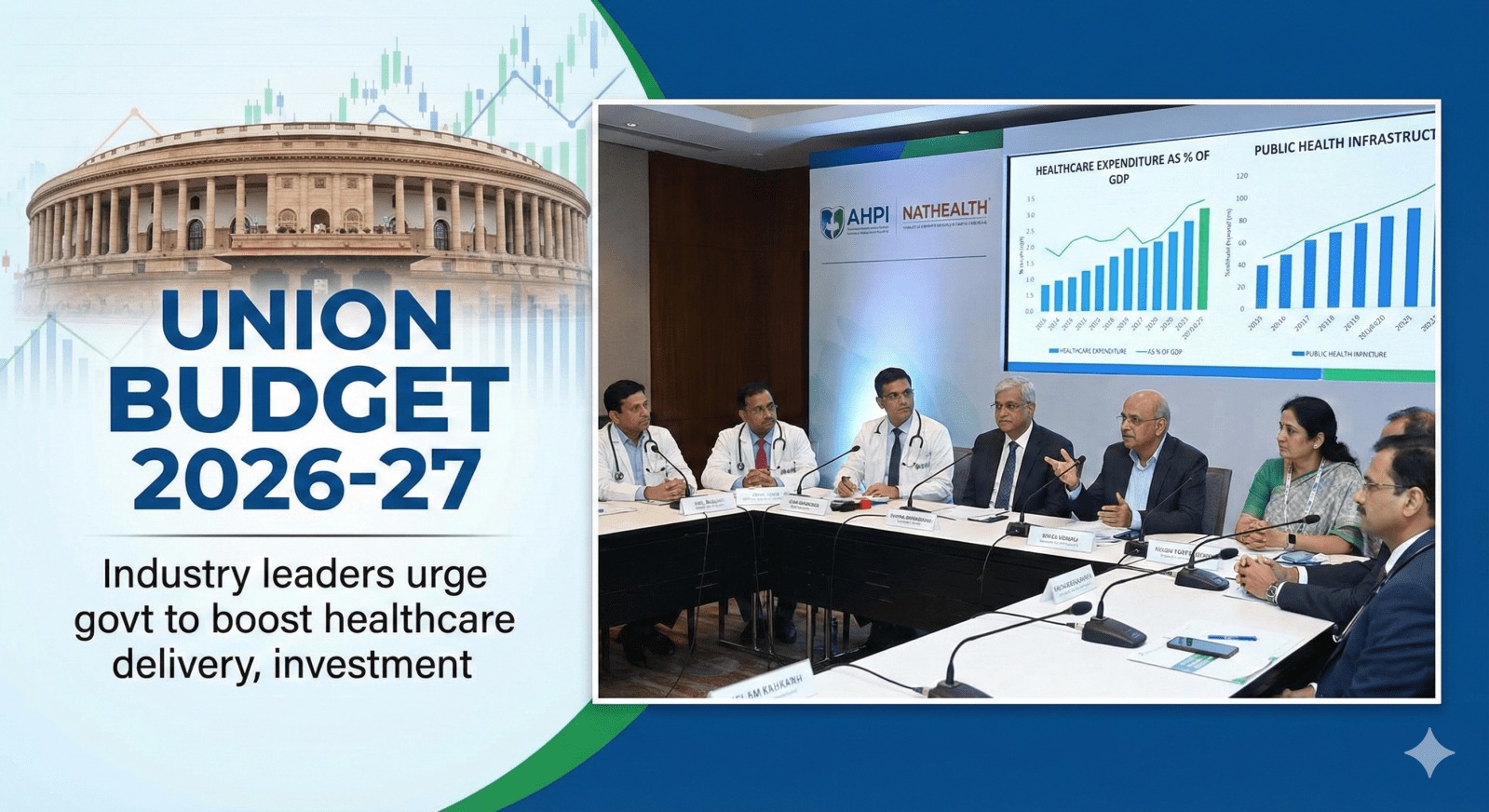
The Association of Healthcare Providers - India (AHPI), cited in the report, said India’s health system is being stretched by a dual burden: communicable diseases that still require sustained public health response, alongside a growing load of non-communicable diseases that demand long-term management.
What the sector wants prioritised
Stakeholders have urged that Budget 2026-27 should prioritise stronger delivery capacity in rural, semi-urban and underserved areas—where gaps in infrastructure, workforce and referral networks can make care inconsistent. The focus, they argue, should include primary care strengthening, preventive health, and better access to diagnostics and treatment closer to home.
Industry voices also point to rising demand for specialty services and long-term care, suggesting that without sustained public investment, hospitals and clinics may struggle to keep pace, and households could face higher out-of-pocket costs.
Why the debate matters now
Budget allocations influence staffing, procurement and programme continuity across public facilities, and can shape progress towards universal health coverage. As policymakers weigh competing demands, the health sector is positioning expanded investment as both a social priority and an economic one—arguing that stronger health systems protect productivity and resilience over time.
Sources and reporting record
- 01NDTVNDTV