The India Meteorological Department has warned of a fresh spell of unsettled weather from January 26, driven by a western disturbance. IMD flagged heavy snowfall/rain at isolated places in parts of the western Himalayas, hailstorms and thunderstorms in hill states and adjoining plains, and gusty winds over southern coastal waters.
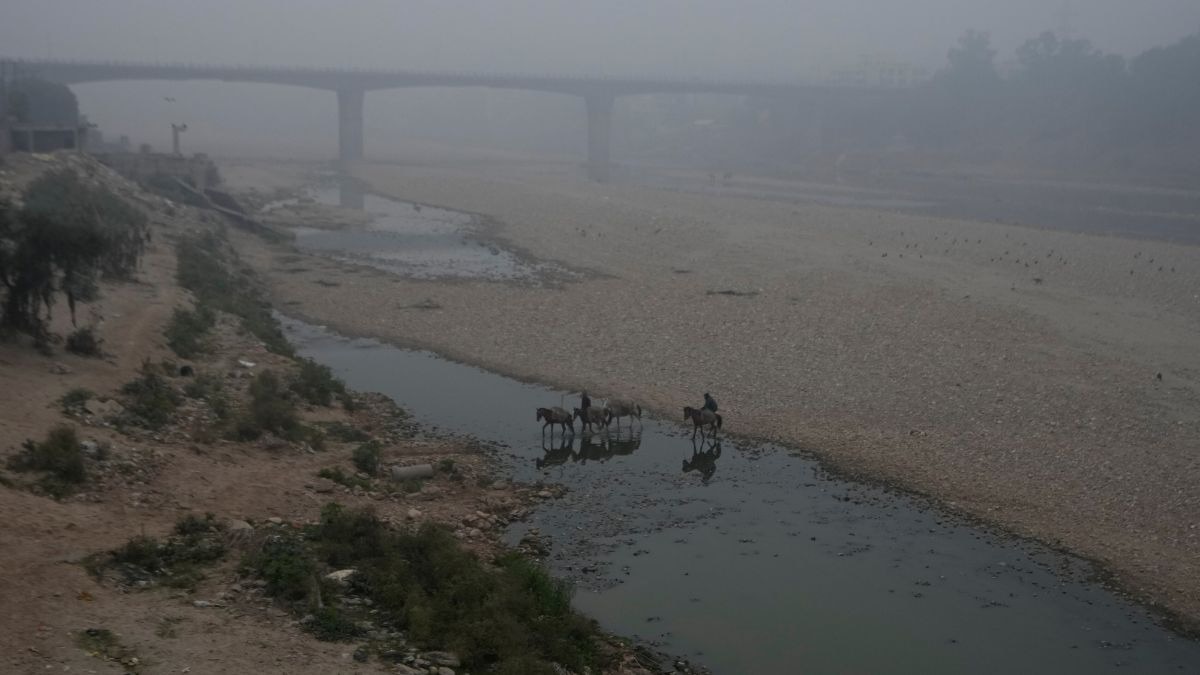
The IMD has warned of dense to very dense fog and a renewed cold wave across parts of north India around January 25–26, with another western disturbance expected to add moisture and worsen the ‘damp cold’ feeling. Health experts typically advise layered clothing, avoiding early-morning exposure, and extra caution for people with asthma, COPD and heart conditions during sharp temperature drops.
Indian health authorities have confirmed two Nipah virus cases in West Bengal involving two nurses at a private hospital near Kolkata, with one reportedly in a coma. Officials traced possible exposure to a suspected index patient, expanded testing and quarantine for high-risk contacts, and intensified surveillance including sampling of bats as investigations continue.
Thiruvananthapuram district reported a surge in fever cases from January 1 to 22, 2026, with over 11,000 people seeking treatment. Officials confirmed leptospirosis and dengue among multiple illnesses tracked, including one death linked to leptospirosis and two dengue-related deaths. Authorities have intensified surveillance and vector-control efforts in identified hotspot localities.
Mental health experts say burnout builds gradually through exhaustion and detachment. Recognising early warning signs and setting boundaries can prevent burnout from escalating into anxiety or depression.
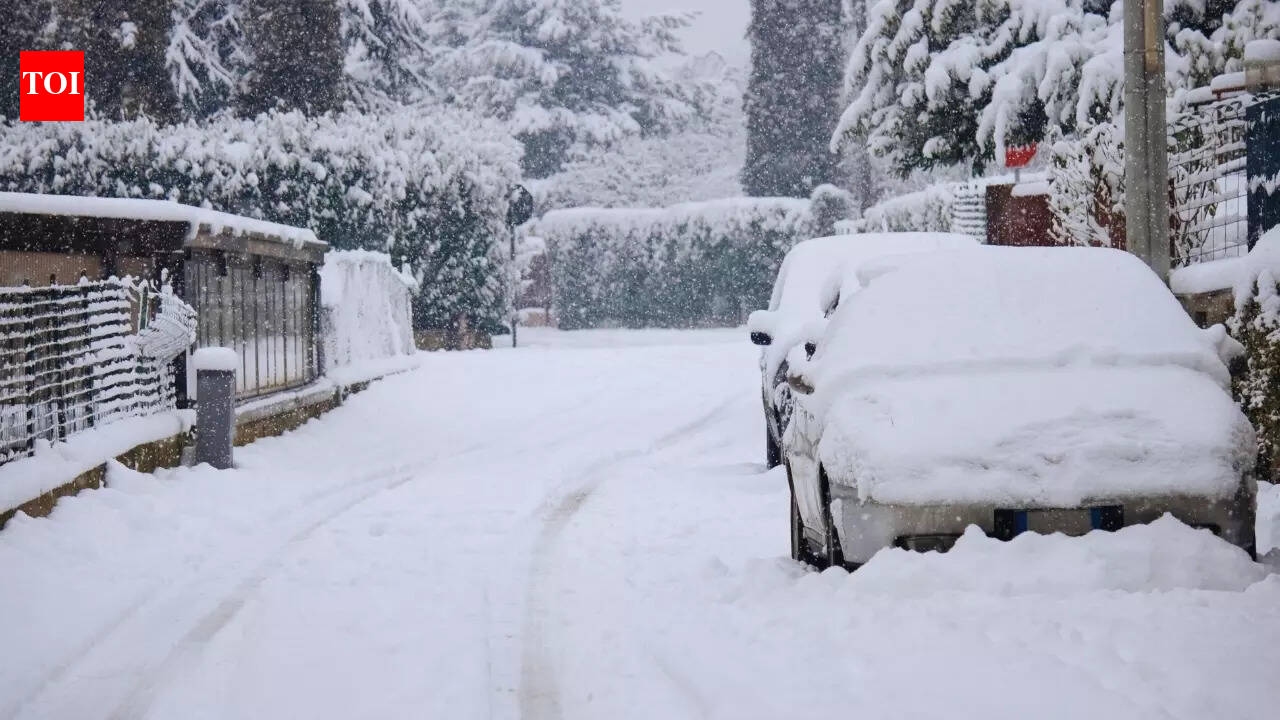
A new western disturbance is expected to bring heavy snowfall, hailstorms, thunderstorms and widespread rain across parts of north and central India from January 26, with peak impact forecast around January 27. Authorities and commuters are advised to prepare for travel disruption, low visibility and cold-wave conditions.
The IMD has issued alerts for widespread unsettled weather from 26 January, including heavy snowfall, hailstorms and thunderstorms across parts of north and central India. Disruptions to travel and outdoor activity are expected as conditions peak around 27 January.
The India Meteorological Department has issued alerts for heavy snowfall, hailstorms, thunderstorms and gusty winds across parts of north, northwest and central India from January 26 as a fresh western disturbance approaches. The IMD also said dense fog and isolated cold-wave conditions are likely to persist till January 26.
Authorities in India have confirmed two Nipah virus infections involving nurses at a private hospital near Kolkata, triggering quarantine and surveillance measures. Officials have tested hundreds of contacts and expanded monitoring as investigations look at a suspected index patient, while public health teams emphasise containment, infection-control protocols and community awareness due to Nipah’s high fatality risk.
Health authorities in India confirmed two Nipah virus cases in West Bengal involving nurses at a private hospital near Kolkata. Officials said an initial investigation suggests exposure linked to a patient treated earlier, and contacts have been tested and quarantined as surveillance expands, including bat sampling in the region.
West Bengal health authorities have reported two Nipah-positive cases involving healthcare workers, prompting intensified containment measures, contact tracing and monitoring. The cases have drawn in central and expert teams, with protocols focusing on isolation, testing of high-risk contacts and hospital preparedness. Officials have urged calm while stressing vigilance, given Nipah’s high fatality rate and the need to prevent any hospital-linked spread.
At AIIMS Mangalagiri’s 8th foundation day event, Health Minister Y Satya Kumar Yadav said the institute would receive an additional 10 acres of land, as promised by Andhra Pradesh Chief Minister N Chandrababu Naidu. The expansion is aimed at strengthening trauma and emergency care services. Officials highlighted the institute’s growing clinical load, surgical work and expanding academic footprint since inception.

:max_bytes(150000):strip_icc():focal(749x0:751x2)/fruit-bats-012426-34ecc45321a0488884d4b09548e61f96.jpg)